

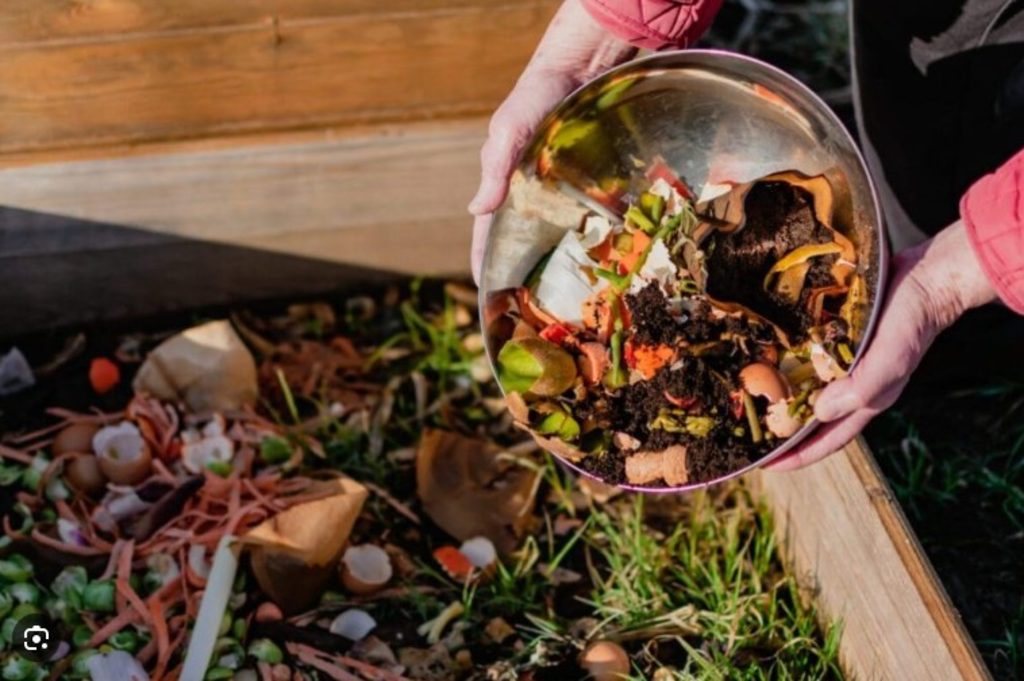
Food waste is a growing global issue with serious environmental, economic, and social impacts.
Large quantities of edible and inedible food are discarded daily by households, restaurants, supermarkets, and institutions.
When this waste is sent to landfills, it contributes significantly to pollution and climate change.
Composting food waste provides a simple, practical, and effective solution that benefits both the environment and communities.
According to zerowastechef.com, composting helps prevent the production of methane gas that forms when food decomposes in landfills.
Methane is a powerful greenhouse gas that traps far more heat than carbon dioxide, making it a major contributor to climate change.
Composting allows food waste to break down in the presence of oxygen, eliminating methane emissions while also helping to sequester carbon.
By composting food scraps, individuals and communities can significantly reduce greenhouse gas emissions and play an active role in slowing climate change.
In addition to its climate benefits, composting greatly improves soil health. Finished compost is rich in nutrients and organic matter essential for plant growth.
When added to soil, it enhances structure, increases water retention, and supports beneficial microorganisms.
Healthier soil reduces erosion, improves plant resistance to disease, and increases crop yields, making compost especially valuable for farmers, gardeners, and landscapers.
Using compost also reduces reliance on chemical fertilisers, which can pollute waterways and damage ecosystems.
Composting food waste is also an effective way to reduce the amount of waste sent to landfills.
Food scraps make up a significant portion of household and commercial waste.
Diverting this material to compost bins helps extend landfill lifespans, lowers waste management costs, and reduces pollution caused by transporting and processing garbage.
This contributes to cleaner communities and more efficient waste systems.
Furthermore, composting supports a circular economy by turning food scraps into a valuable resource rather than treating them as trash.
Nutrients from food waste are returned to the soil, supporting new plant growth and mimicking natural recycling processes.
Composting also promotes environmental awareness and responsible habits. People who compost often become more conscious of food waste and take steps to reduce it.
There are many accessible composting options, including outdoor composting, curbside green bins, drop-off sites, vermicomposting, and bokashi bins.
These methods make composting achievable for most households.
Composting food waste is essential for protecting the environment, improving soil health, reducing landfill waste, and building a more sustainable future.
Healthy soil reduces erosion, helps plants resist disease, and improves crop yields. Picture: GOOGLE
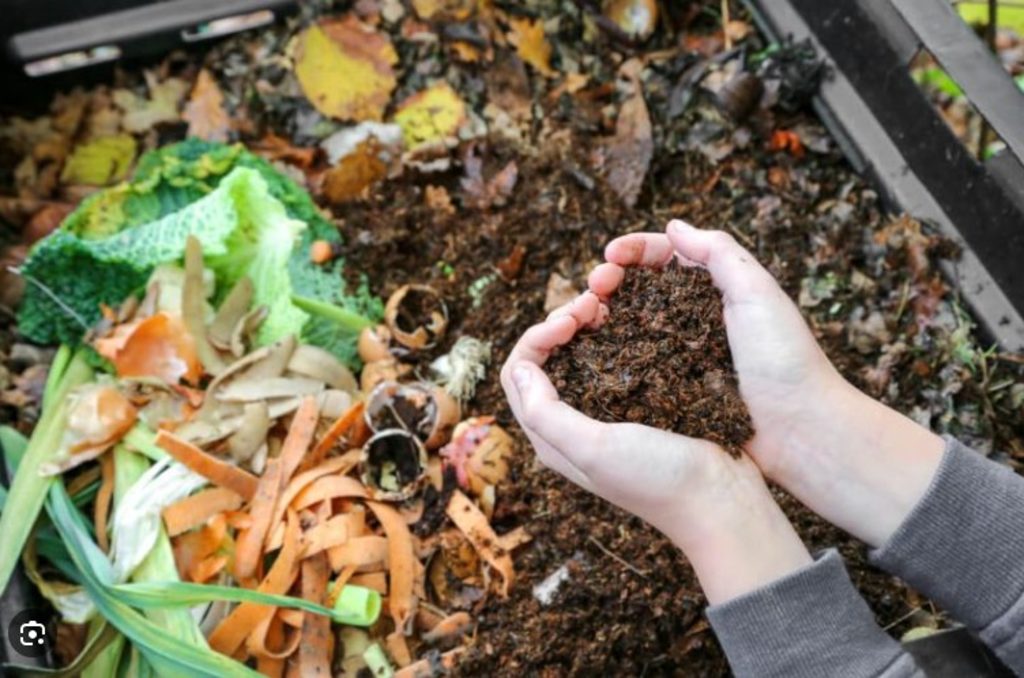
Food scraps make up a significant portion of household and commercial waste. Picture: PARTSTOWN