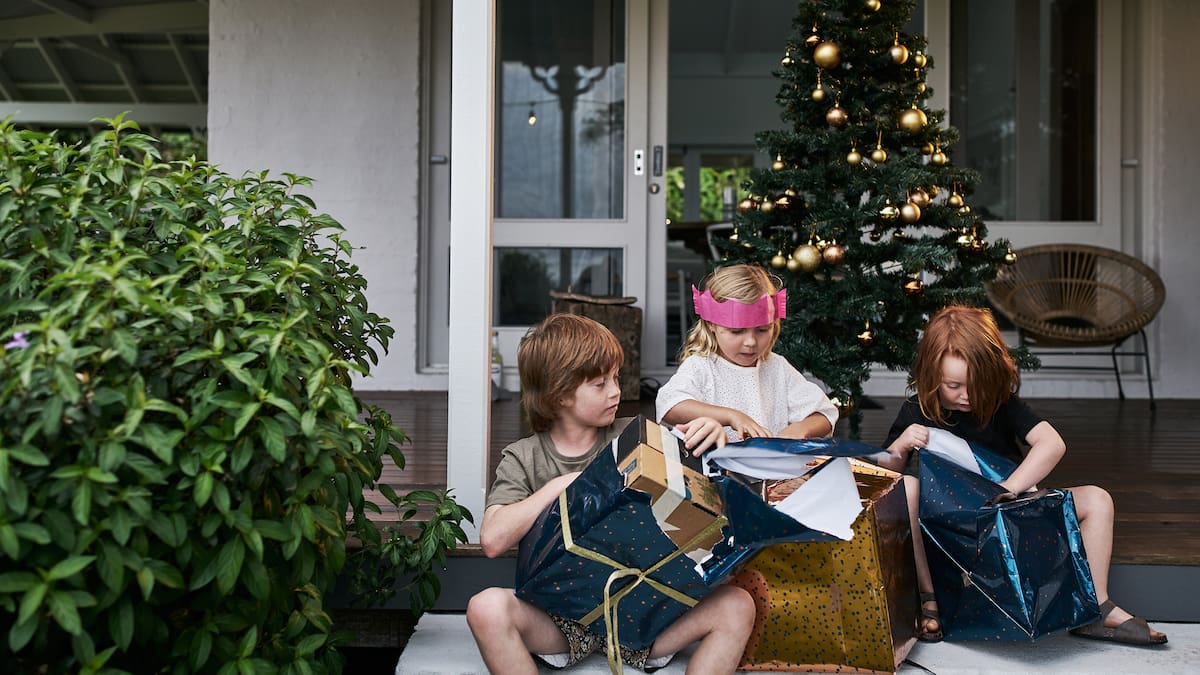


Bula vinaka shoppers, if you don’t want to overspend this Christmas, the key is to shop slowly, plan carefully, and live within your means. Working out a realistic budget early — for gifts, food, and family obligations — can reduce financial stress and allow you to enjoy the season for what it truly represents. For my colleague Waisea, keeping Christmas simple is a conscious choice.
He has set aside a budget of $100 this year, explaining that church obligations for his son’s youth camp have taken priority.
“Since the commitment for the camp is tight, my wife and I decided to sacrifice for a good cause rather than leave our boy to follow his peers,” he says.
“We’re just making a lovo and a few soft drinks for the children.” Waisea advises families to be content with what the sole breadwinner can afford. “Appreciate what they bring home. If the meaning of Christmas is at the core of the celebration, that matters more than big spending,” he says. He recalls advice from a close friend: “Always remember what’s next. We sometimes spend everything on one day and forget about the day after.”
Sports editor Rohit has set aside $300 for his Christmas budget, covering gifts, a small family gathering and festive extras — without compromising his regular expenses.
“I chose $300 because it allows me to pay my bills, buy groceries and cover transport without going into debt,” he says.
To stay within budget, Rohit is planning early. “I list everyone I need to buy a gift for and set a limit — usually $10 to $20 per person.
“I only buy what I can afford and avoid last-minute shopping, which usually leads to overspending. “I also use cash instead of cards. Once the $300 is withdrawn, that’s all I spend.”
He is opting for practical and thoughtful gifts such as homemade treats, framed photos and small personalised items.
Celebration expenses will also be shared, with each family member contributing a dish, so no one bears the full cost.
Rohit encourages families to set realistic budgets. “Even $50 to $100 can go a long way when it’s planned wisely.
“Focus on togetherness, not spending — picnics, beach days, potlucks, movie nights at home and family games cost very little but create the best memories.”
He also urges open conversations about money.
“Families shouldn’t feel pressured to match others. Everyone is facing rising costs. “Christmas shouldn’t put anyone into debt. What matters most is the time, love and presence we share.” Deputy chief sub editor Sulueti has budgeted $200 this Christmas and is taking a healthier, more cost-conscious approach.
She plans to buy organic produce from the market while cutting back on fast food, sugary drinks and expensive desserts.
“To cope with the rising cost of living, you need to plan carefully and avoid expensive purchases,” she says.
“Before getting carried away by sales, set a clear spending limit based on what you can truly afford.
“If you feel tempted, take a break and think it over — the urge often passes.”
Sulu encourages involving family in preparations rather than carrying the burden alone.
“Celebrating Christmas doesn’t mean spending more. “Some of the most treasured memories are made with time, not money.
“Be content with what you have now. Happiness is found in simplicity.”
As shoppers, the message is clear: Christmas does not have to come with financial pressure. So with honest budgeting, shared responsibility and thoughtful planning, families can celebrate meaningfully without stretching spending extravagantly. In the end, Christmas is defined not by how much we spend, but by how we share the season — with gratitude, compassion, and togetherness. Let us remember that Jesus, the true reason for the season, was born humbly in a manger among the animals, reminding us of the power of simplicity and love this Christmas.