
- Make sure you look for a swim school that helps kids feel their buoyancy, the way gravity operates differently in water. Lessons need to teach these fundamentals without bowing to pressure from the curriculum or parents to see ‘travel’ as the measure of success.
- Active floating for a duration of time is the better measure of swimming lessons’ success. A beautiful swimming stroke does not guarantee safety; floating does. (Most people’s feet sink. That doesn’t matter. Feet don’t breathe.)
- Look for a calm atmosphere. This can be tricky. Lots of swim schools are in big public pools. Maybe look for quieter times.
- Seek staff who treat you like a human, not an open wallet.
- You want a swim school with an ethic to get fundamentals first, focusing on duration, not distance. That creates safety.
- Not too much waiting for your kids to get their turns is important, although some waiting is fine.
I love how Gould talks about active floating: that managing of deep water for a long time is where safety originates. Managing the water eventually evolves into travel with low splash, calm rhythms and learning to exhale inside the water, not just blowing bubbles.
And here’s the lesson for parents (and grandparents). Don’t rush your kid to pass the next level, despite the temptation to want to make it all happen speedily.
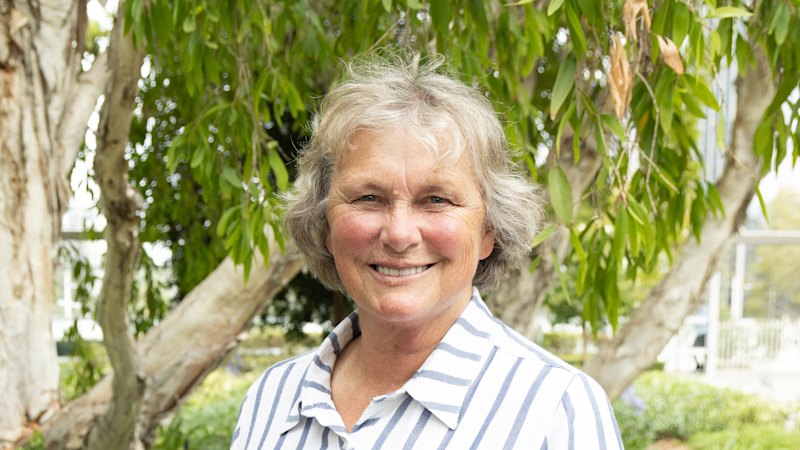
Watching Milica Mitreska, a swimming teacher at the Inner West Council’s Annette Kellerman pool, is a lesson in itself. Mitreska, 31, is an accountant, but on the weekend she’s wrangling under-sixes with ease – and patience.
She’s been swimming since she was a toddler and played water polo when she was at uni. Her water polo mates told her that there was a shortage of swimming teachers post-COVID. She had done some tutoring of primary and high school kids, so swimming teaching would be a good combination of all the things she loved. She did her training and discovered it came naturally to her.
But she’s not only a teacher – she’s also a student. She says the feedback she gets from those she works with makes her a better teacher. Peer training. Constant tips. Class management. Techniques for assistance.
“We’re always working really closely with the kids to correct things as soon as possible,” she says.
So what advice does she have for parents and grandparents?
Expose the kids to water as soon as you can. Yes, it can be costly, but you can also do it at home. Lots of water play. Build confidence around water.
“Practise in the shower and the bath, get them to wear goggles and make it fun.”
She tells one of her anxious students that she will drop a toy to the bottom and he can retrieve it.
“I’m going to let go of your hand a little bit but I’ll be right here to catch you.”
He does it. He’s surprised and pleased. Then he does it again.
She says it is important to have expectations.
“It really prepares them for life as well because having expectations, it’s not just working towards a goal, but it’s also that sense of achievement I think is important,” she says. “I’ve seen that when I work with kids; I tell them, OK, we’re going to work on this today.
“If you don’t expect anything, you won’t get anything.”
It sounds tough but watching Mitreska at work you just see firm kindness. Or kind firmness. There is no chaos in her classes.
Andrew Favaloro has been bringing his kids to swimming classes at Annette Kellerman for years now. His eldest, Logan, is 13 and comfortable in the surf. Hunter, nine, is in lessons with Mitreska and well on the way as an intermediate “swordfish”. (I love the class names: tadpoles, frogs, dolphins and more.)
He and his wife have moved out of the area but are still committed to the pool and its swimming program.
“It’s a skill they need to have, to know how to react and get themselves out of trouble.”
At least in the water.
Make the most of your health, relationships, fitness and nutrition with our Live Well newsletter. Get it in your inbox every Monday.