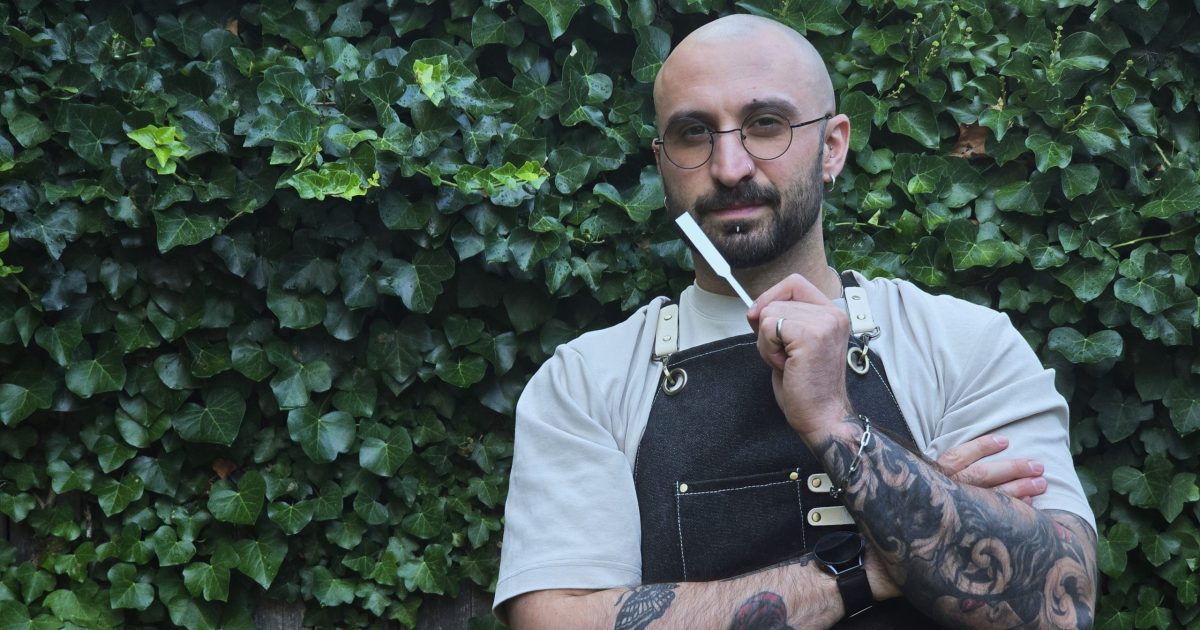


Estrangement is not unique to the rich and famous, however. Amanda Cox, registered psychotherapist at Auckland City Therapy, says she’s seen many examples of it in her decades-long career.
“I’ve worked with a lot of estrangement over the years in various forms. It has become much more of a thing [in] the last five to 10 years,” she tells the Herald.
That might be because there is now “much more visibility” for this issue.
“Perhaps there’s been more validating or legitimising of separation, but it’s no easy path for anybody, any party involved. There’s so much shame in there and so much loss and so much anger.”
There are different ways of describing types of estrangement, she says.
“The lingo out there is ‘no contact’, ‘low contact’, which basically describes how much communication there is.
“Familial estrangement is when it happens in families and it’s often between parents and children, but it’s also between siblings.”
Cox says there are two main reasons people cut off contact from a parent or child. One may be that the adult child doesn’t feel safe with their parent.
‘I felt a weight lifted off my shoulders’
Alex* is estranged from her father since realising, through therapy, that he is a “trademark narcissist and sociopath”.
“My childhood was full of manipulation, fear, verbal and, at times, physical abuse,” she says.
“I grew up long before I should have had to as I tried to protect my mother and my siblings. But I remember even as a really young child being hellbent on never letting him ‘break’ me.”
In her 20s, Alex says she saw a therapist who helped her process these experiences, and eventually broke contact with her father.
“Messages from my father or visits would still send me into a spin that I would spend days bouncing back from. I cut him off at various points in my 20s and finally for good in my early 30s.
“I felt a weight lifted off my shoulders, not having to worry about contact from him or what he was going to do to throw turmoil into my life.”
When she became a mother, this became even more important to her, she says.
“I had an opportunity to be the person I wish I had looking out for me as a child. By cutting him off, as hard as that’s been at times, I make sure that the cycle ends with me and my child’s childhood will be a happy and safe one.”
Empathy and understanding
Another reason for estrangement is simply that the adult child feels that their relationship with their parent “isn’t okay for one reason or another”, Cox says.
“The inability to communicate that and work it out is where the main problem lies.”
In the case of Prince Harry and King Charles, “if you can’t really listen and really empathise with someone when they’re challenging you or they’re upset with you, then it’s really hard to repair”, she says.
“I suspect it’s difficult for them to talk, for each to be listening without being defensive.”
Auckland City Therapy offers counselling specifically for estrangement, which Cox says is “along the same lines” as other forms of therapy.
“It’s about empathy and understanding. I will see parents that have been estranged from their children. I see children that want to estrange adult children. And the same things apply – empathy is really needed, empathy and understanding, in that relationship that’s struggling.”
She often sees people who are wanting to estrange because they feel they have tried everything to repair the relationship, but the other party isn’t able to listen or self-reflect.
“Or maybe both aren’t. I suspect it doesn’t start at a certain moment. I think it goes right back to, how does this family communicate through challenges and conflict and difficulty?
“And if that’s never really been worked out, of course there’ll be problems when the big stuff happens. It’s just difficult. So therapists can be really helpful around that.”
Cox wants to offer people a chance to be listened to and validated.
“I often meet siblings together. I will often encourage, ‘let’s see if we can get this other person in. Let’s make time to meet individually and then together and see if we can try and understand and get each of you to hear each other’.”
‘Grief and shame are the two biggest things’
There is a grieving process with estrangement, regardless of who initiated it, Cox says.
“It’s definitely tough on both sides. There’s a huge amount of grief. Getting in touch with that is difficult, because there can often be a lot of anger and resentment.
“Grief and shame are the two biggest things. Maybe it’s getting easier now because there’s more conversation about [estrangement], but a lot of people don’t understand. They’re like, ‘come on, she’s your mother’, or ‘come on, she’s your daughter, why can’t you just …’ It’s not as easy as that, it’s complex.”
In the Beckhams’ situation, there is the added element of a shift in the family dynamic that comes with a new relationship or marriage, and the introduction of an in-law.
“It’s that time where we naturally start to differentiate,” Cox says.
“That idea of ‘to be myself, I had to step away’. It’s often around marriage, it’s around children, it’s around those two things, often, when you start to see your family from a distance as well.
“But you need to understand why, otherwise it often recreates in the next generation. It often follows through generations of estrangements.”
That’s why in some situations, she will encourage people not to completely close the door to any form of contact in future.
“Not because I think that there’s a need to repair at some point, but you just don’t know how the future is going to end up. You don’t know when you might need each other or when you might see things from a different angle, so I think it’s good not to burn all the bridges. But I can totally understand just having to look after yourself.”
When to get help
For someone struggling with that parent-child dynamic, when should they seek some outside help?
“When they know it’s a problem, I would be looking at getting some help around it and some understanding,” Cox says.
She advises looking for a therapist who has experience with estrangement to ensure you’re on the same page.
“I think it’s always good to check [and ask] ‘do you work with estrangement? What’s your take on it?’ before you settle in with a therapist.”
For a parent facing estrangement from a child, she says it’s helpful to understand what might be getting in the way of trying to repair the relationship.
“Is it that they’re being defensive? Is it that they’re not listening? Maybe they’ve never known really how to do that, to listen empathically and non-defensively.
“And the same with the child too – maybe they’re not listening. Maybe they’re wrangling with that same issue that their parents are themselves. Maybe they’re feeling like they don’t fit in the world or maybe it’s a bit of a projection.”
Most importantly, each party needs support and understanding so they don’t feel alone in what they’re going through, she says.
“It is really, really hard. It can be excruciatingly painful for people, and I would encourage therapy with people that have an idea of what that’s about.”
*Name has been changed.
Bethany Reitsma is a lifestyle writer who has been with the NZ Herald since 2019. She specialises in all things health and wellbeing and is passionate about telling Kiwis’ real-life stories.