
The average Aussie eats 52 kilograms of chicken per year, so you may as well cook it right. Here’s how to make the most of budget-friendly breast, thighs, mince and more.
You have reached your maximum number of saved items.
Remove items from your saved list to add more.
Save this article for later
Add articles to your saved list and come back to them anytime.
Have you eaten a kilo of chicken this week? If so, you’re acting normal. According to the Australian Chicken Meat Federation, the average Australian eats 52 kilograms of chicken a year, which makes it by far the most consumed meat in the country. Pork ranks next at 26 kilograms.
It’s been an astonishing change in dining patterns. In 1950, Aussies ate just 4.2 kilograms of chicken per year each, and in 2010 it was around 36 kilograms. When asked why they choose chicken, 59 per cent of people mention affordability, 56 per cent say it’s easy to prepare, and 35 per cent believe it’s a healthier choice.
But what to do with it, and which cut for what?
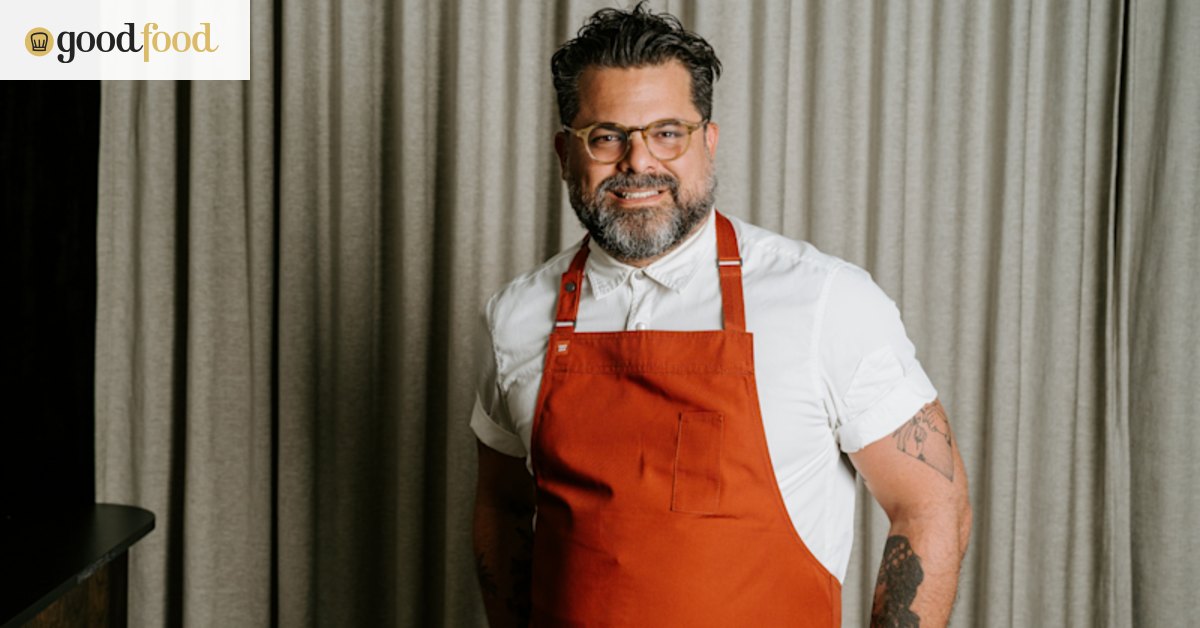
We caught up with Luke Iles, head butcher at The Lucky Pig Butchery and Smokehouse in Melbourne’s Bentleigh. Fresh from taking a Champion Trophy and two Best in Class medals (including for his smoked chicken breast) at the
Melbourne Royal Australian Food Awards, he’s the perfect guy to chat chook.
How to cook chicken breast
Why we love it
It’s one of the leaner parts of the chicken. People choosing chicken as a protein often steer clear of fat so they turn to breast.
When buying
This goes for all parts of the chicken but the skin should have no feathers and it should never look dry or mottled. The meat should be free from imperfections. One advantage of going to a butcher is that you can buy the exact quantity and preparation you need for a recipe. People watching their fat intake generally buy skinless.
Best for
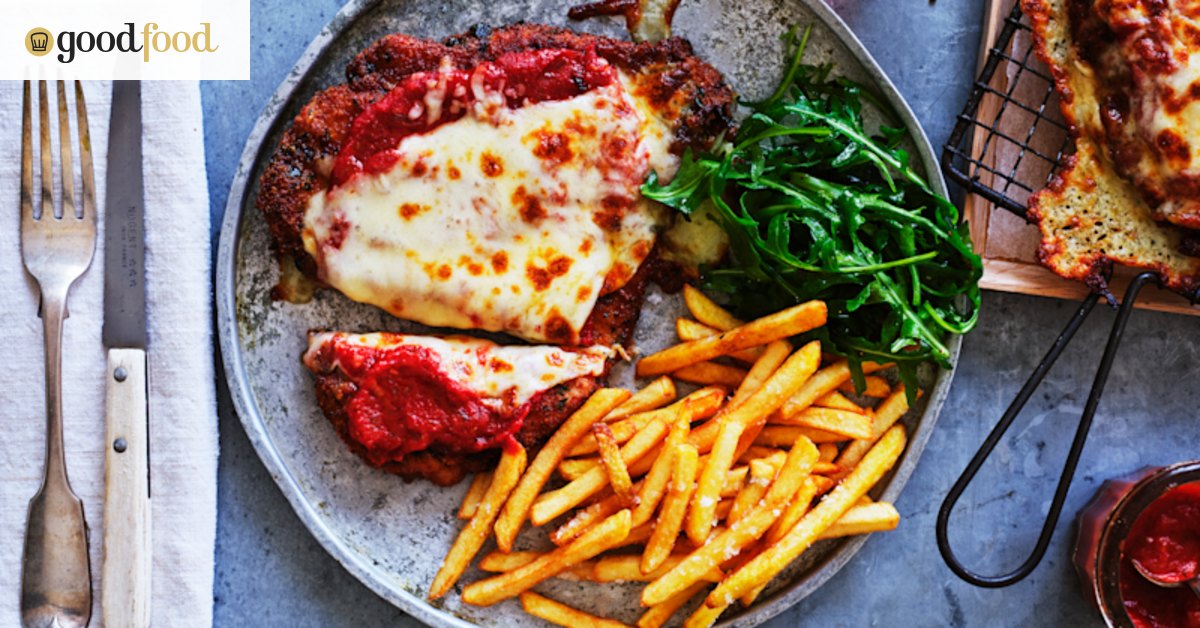
Breast is perfect to dice, to cut into strips for stir fries, or to poach whole and then shred for broths or bowls. It’s also perfect for retro favourite chicken Kyiv. We sell a lot of chicken breast schnitzel, which you can make into DIY parmas (like this classic from Adam Liaw, pictured above) at home.
Good to know
Breast can be tricky because it’s quite thick. You don’t want it raw in the middle, and you don’t want it to dry out. A meat thermometer is your best friend to ensure you hit that 75 degrees safety zone in the middle.
How to cook chicken thighs
Why we love it:
It has more flavour and moisture than the breast.
When buying:
Choose bone-in if roasting or air-frying and boneless if grilling or cooking in a pan. People wanting a leaner option request no skin but you can get beautiful crisp skin with thigh.
Best for:
Thigh pieces are perfect for kebabs on the grill. Whole thigh is great with a spice rub, then cooked in the oven or air fryer. We do a yakitori-spiced chicken thigh that makes the skin crisp up and keeps the chicken moist to the bone.
How to cook chicken marylands
Why we love them:
Comprising the thigh and leg of the chicken, Maryland is the most underrated and best-value cut.
Best for:
Roasting or grilling. For easy chicken and chips, cut potatoes into wedges and put them on a baking tray with Marylands at 45 minutes at 180 degrees. If you’ve got kids at home, rub the Marylands with granulated honey and score them for a lovely sweet finish.
How to cook chicken drumsticks
Why we love them:
They’re an affordable way to feed a family with amazing flavour and a good amount of meat.
Best for:
They’re great in casseroles like the classic apricot chicken. You can marinate them, lay them on parchment paper and let them get nice and brown in the oven. (The same works for chicken ribs, drumettes and wingettes.) Whether it’s game day footy or school holiday snacks, they’re an easy winner.
Good to know:
Get out your thermometer for drumsticks, especially if you’re grilling them.
How to cook chicken mince
Why we love it:
It’s a great alternative for people who don’t eat beef: chicken mince works in lasagne or cannelloni, dumplings and ravioli.
When buying:
If you’re focused on fat, ask for lean chicken mince. Your butcher can mince breast for you.
Best for: Chicken burgers (like Karen Martini’s chicken banh mi burgers, above) are a good option. We make a nice panko-crumbed Japanese curry chicken burger but you can put whatever flavour into it and it will carry well.
How to cook whole chickens
Why we love it:
My grandfather owned a farm and we had roast chicken every Sunday: there’s nothing like it. Whole chicken can also be good if you want a meaty stock. Ask your butcher to cut it into quarters to get the most goodness from the carcasse.
When buying:
Buy – or ask your butcher to prepare — butterflied whole chicken to make dishes like piri piri butterflied chicken and chips (above). It’s easy to cook on the barbecue or roasting pan because it’s flat, and the bone helps regulate the temperature so you are less likely to have dry patches. It’s a great summer option with a salad and an affordable way to feed a family.
Good to know:
For roast chicken, my formula is 30 minutes per 500g in a 180 degrees fan-forced oven. I put the chicken breast-side up on a rack so any fat renders into the tray. My meat thermometer is always beside me: check the temperature in the thickest part of the breast and thigh and once it hits 75 degrees, pull it out. You can put lemon and herbs in the cavity and butter under the skin to keep the breast basted.
The best recipes from Australia’s leading chefs straight to your inbox.
You have reached your maximum number of saved items.
Remove items from your saved list to add more.