

You have reached your maximum number of saved items.
Remove items from your saved list to add more.
Save this article for later
Add articles to your saved list and come back to them anytime.
Have you heard the term “fertility vampire”? It’s a person – usually a man – who dates someone during their childbearing years and then ends the relationship, robbing them of their chance to be a parent.
While the concept of these fertility thieves isn’t new, its discussion has been revived after author Charlotte Ree wrote about her experience for The Australian. The column, titled “He told me not to freeze my eggs, then he said he didn’t want a baby with me”, was devastating because it gets to the heart of a cruel reality for many women: that having a uterus means we are on a deadline to make one of the most significant decisions of our lives.
As is the case with most conversations about this topic, the comment section of Ree’s piece was filled with angry, sympathetic women, saying “how dare he!” (quite right) and “it’s not too late to have a baby!” (which is true; the idea that we become infertile at the stroke of midnight on our 35th birthday is largely based on studies done in an 18th century French parish, so it is outdated, and I wish for Ree that she may still get to be a mum).
These stories, common enough that someone came up with the visceral term fertility vampire in the first place, make us feel such rage and grief because we get just one life, and we should get to live it the way we want.
What I believe is still missing from these conversations are stories of hope.
I have seen the anguish of people who want to have a child and who don’t get to. I have sat by people I love through infertility, IVF and yearning. I have listened to a friend tell me that her body would chant “get pregnant, have a baby” all day long, on repeat. I would never want to minimise anyone’s pain.
However, I do want to alleviate some of the fear for anyone who cannot, and does not get to, become a parent.
Because contrary to popular belief, life without children can be wonderful.
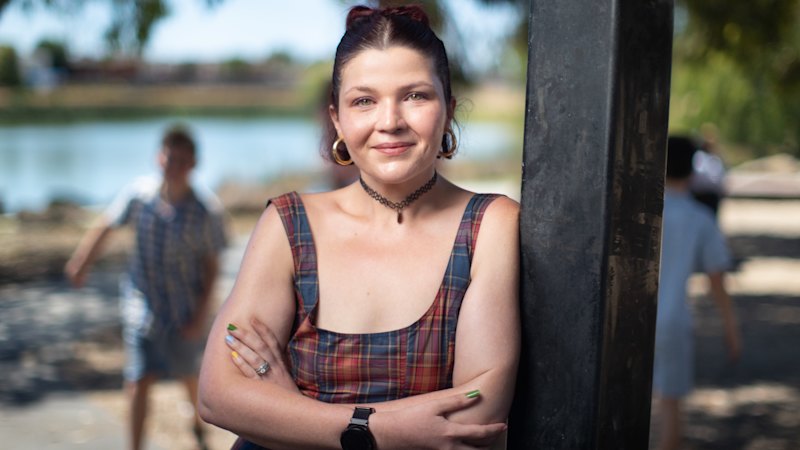
It took several desperate, teary years for me to decide not to have children. At the time, it felt like I was always sending freezer meals to a friend with a newborn, or celebrating a pregnancy announcement, or finding time to see a girlfriend around their toddler’s nap schedule. It was unsettling to realise I didn’t want the same things as the people with whom I had shared most other life milestones. As my 35th birthday came and went during a global pandemic, I talked it over obsessively with my boyfriend, my therapist, my parents and more gingerly, with friends who were probably holding their young children while listening to my long, shaky voice notes on the subject.
My whole life, I had assumed I would be a mum some day. But when I really asked myself if I wanted to, if I could, my body had its own blunt, truthful answer: no, babe, no.
It was very difficult to honour my suspicion that I was more suited to the role of auntie than mother because I’d heard so much hushed sympathy for allegedly sad, barren women and vitriol for anyone who dared not procreate.
I still remember when former prime minister Julia Gillard was viciously chastened for having an empty fruit bowl in her kitchen because it was supposedly a sign she was callous and unmotherly. And just this week, actor Jason Bateman was appallingly condescending to pop star Charlie XCX about her decision not to have children. During an interview on his podcast, he told her not to worry, she would find someone who would make her want to have children (Charli XCX got married last year).
Making the decision not to have children was excruciating, but I am grateful I got to make it. I can only imagine how it would feel to be robbed of the right to decide for yourself.
The question of children is tender and fraught. To deal with any surprise grief on the subject is hard and takes courage. Especially because we have to strain to hear our own desires over the expectations placed upon us to couple up and pop out babies to stimulate the economy and please the treasurer when actually, studies suggest that the happiest demographic is unmarried childless women.
To anyone whose life has not turned out the way they’d planned, I stand here as part of that demographic and I want to tell you that this life can be beautiful. Full of love, peace and fun.
There is joy, meaning and freedom in this life. There is time for art, money for pleasure pursuits and space to care for yourself – a precious thing, if, like me, it took a while to work out how to do that. And there’s energy to join the village we’re told it takes to raise a child because even if you don’t have your own, you can still dote on the children around you.
So, from someone who might be considered a miserable, withered crone or a gnarly childless witch, to the victims of fertility vampires: none of us are monsters. Nobody gets a fairy tale ending. We are human, and we are not defined by whether we have children.
You have reached your maximum number of saved items.
Remove items from your saved list to add more.