

A new generation of talent is finding fresh ways to feed people outside the standard restaurant format.
You have reached your maximum number of saved items.
Remove items from your saved list to add more.
Save this article for later
Add articles to your saved list and come back to them anytime.
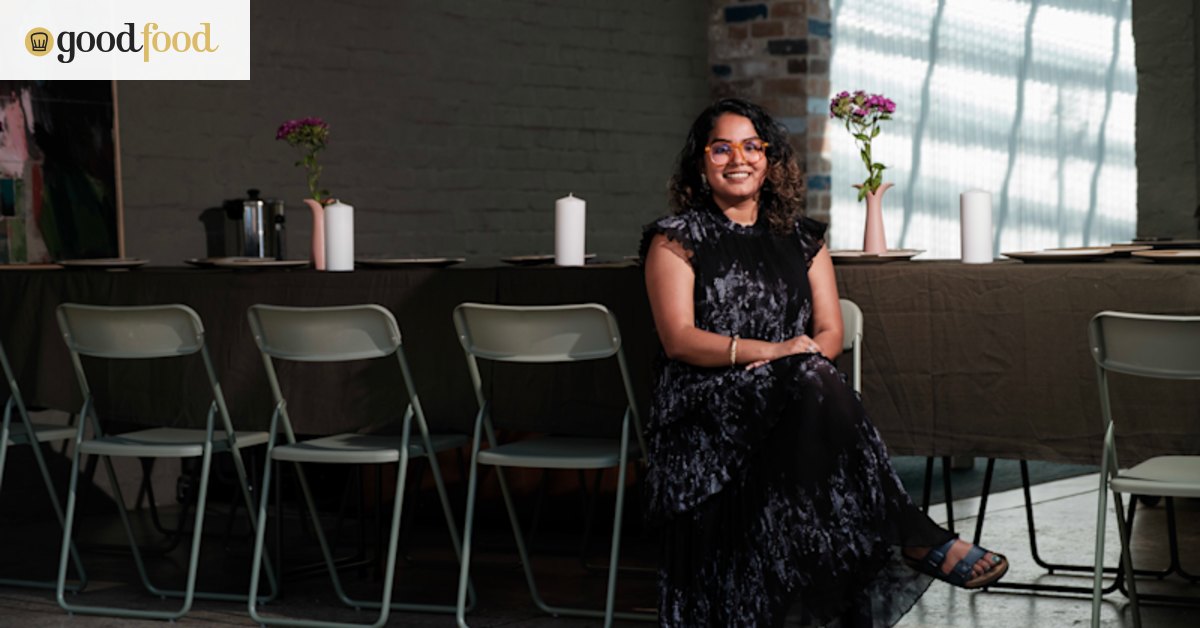
Nazmun Naher Shishir is the self-described “one-woman army” behind Table Tok, a Bengali-influenced supper club launched last April. Across Sydney, she’s hosted dinners inspired by 1990s-era Eid meals, Hindu goddess Durga and bhaat ghum (the post-meal nap, which translates as “rice nap”).
“Food is my way of starting a conversation,” says Shishir, a humanitarian worker who grew up in Bangladesh. She joins a wave of home cooks showcasing food outside a traditional restaurant setting.
“People hosting dinners in their living rooms, doing cultural or theme-based nights, running tiny pop-ups in unexpected places, it’s cool to see how varied it all is,” says Shishir, who cites Melbourne’s Your Lil Cook Supper Club and Sydney’s virtual Lucky Dragon Supper Club as inspirations. Without commercial pressure to fill tables every night, resorting to copy-and-paste menus of steak, burgers or other all-but-guaranteed sellers isn’t necessary. You can do something “much more personal”, she says.
What began in her apartment with five guests has evolved in many ways. “There’s no fixed venue or strict format,” she says. At a recent Table Tok dinner hosted at cafe Beta Coffee, Surry Hills, she evoked the scorch of Bengali summers with tamarind-tangy watermelon drinks and mango firni (rice pudding), crunchy with pistachios. Dhal brightened with garlic-fried rhubarb was inspired by London’s Smoke and Lime supper club.
Shishir keeps things small (catering to a maximum of 16 diners), to “create an atmosphere that’s impossible in a big dining room”, she says. While serving rice sprinkled with rosella at Beta Coffee, she revealed how she found the latter ingredient while in Bangladesh for her brother’s wedding. She laughed at the memory of enlisting family to peel and dry the flowers one midnight so she could transport them here for this meal.
Restaurant reviews, news and the hottest openings served to your inbox.
She believes her dinners lead to “adda”, a conversational atmosphere that turns strangers into friends. “The … only motto of Table Tok is to build community,” Shishir says. It’s opened her world, too. She arrived from Dhaka in 2023: a 30-something student with no mates. Table Tok has led to diners inviting her to gatherings. “I have met amazing people … sometimes we hang out, cook together, paint together.”
Shishir remixed Nigerian jollof rice with mango pickles at Newtown’s Little Lagos in November and catered a multicultural open mic night there earlier this month.
On Sunday, February 22, her dinner at Redfern’s Magenta House will explore tok (tangy) and other Bengali flavours. The supper club format enables flexibility. “It keeps things interesting and lets me follow ideas without worrying about whether it fits a ‘restaurant identity’,” she says. “Whatever happens, I want to keep it intimate and personal. That’s the part I never want to lose.”
There’s small-scale charm to Kara’s Home, too, which Alessandro Gozali named after his cat. The 27-year-old user-experience designer began his home cafe in December 2024, inspired by examples on social media. “It started off with six or so friends,” he says. Gozali invited them over for drinks he created with matcha and black sesame. The next Kara’s Home event featured madeleines and cheesecake. “It kept getting bigger,” he says. Soon, Gozali was serving 100 people at Maido, Darlinghurst.
Like Table Tok, Kara’s Home is about creating community. For a Haus of Bamboo night of affordable, booze-free fun geared at Asian-Australians at Chatswood’s Tea Journal in December, Gozali contributed osmanthus milk tea and other low-caffeine drinks. Attendees also enjoyed mahjong and Maroyaka Mochi’s rice-based desserts, soundtracked by DJ beats.
The next day, Gozali teamed up with The Matcha Club Sydney and Matcha Run Sydney to stage Matcha Market Madness in Glebe. Alongside stallholders whisking drinks with powdered green tea, there were emerging businesses like Moonsalt, a just-launched Instagram bakery selling Milo cookies and miso butter bagels made in an apartment oven. The $20 stallholder fee kept entry accessible to less-established operators.
“There’s a huge risk to opening a business,” says Gozali. “You hear on the news all the time, this restaurant [is] shutting down.” A traditional hospitality career isn’t his goal. Like Table Tok, he’s using social media and flexible dining formats to generate vibrant gathering spaces. “It keeps it more interesting,” he says. “It doesn’t become repetitive.” This weekend, he brings Kara’s Home to CeeCee Studios, Ultimo, where he’s serving drinks for their drop-in pottery sessions.
Although Gozali started Kara’s Home as free cafe-style gatherings, he’s levelled up to professional events with entry fees, so he’s undergone the food safety training and council certification necessary to legally sell food.
Keeping things above board can be challenging when feeding people in informal settings: Eat For Good has staged events in backyards and car parks. “We’re working from places that don’t have a kitchen. They don’t have even a power source,” says co-founder Milo Le Berre. “We’ve definitely relied on sandwich presses and slow cookers to keep things at safe temperatures.” This summer, the project has been collaborating with a licensed venue: Slipway at Mothership Studios in Marrickville.
Eat For Good was launched in 2024 to raise money for Le Berre’s gender-affirming surgery and its culinary events have a LGBTQ+ focus. The project was started with Le Berre’s best friend, Chile Bainbridge. “We had the first event at their house. They don’t work in kitchens, but they know how to cook,” Le Berre says. Eggplant and lamb were grilled on skewers, and anchovy and mortadella toasts were also served.
Le Berre has clocked in at hatted restaurants (currently, they’re cooking at Ante), but Eat For Good is about more casual food: “Fun, snacky stuff people can eat while walking around.”
In December, Eat For Good ran an event at Slipway featuring chilli hot dogs and T4T wrestling (a style of trans wrestling drawing on drag-style performance, Le Berre says). “Restaurant spaces can be quite exclusive,” the 26-year-old chef says. Eat For Good aims to be accessible in terms of price and demographics.
The closure of The Bearded Tit, a beloved LGBTQ+ venue in Redfern, also reiterates the need for queer spaces. “We’re trying to use our events to be that place,” they say.
You have reached your maximum number of saved items.
Remove items from your saved list to add more.