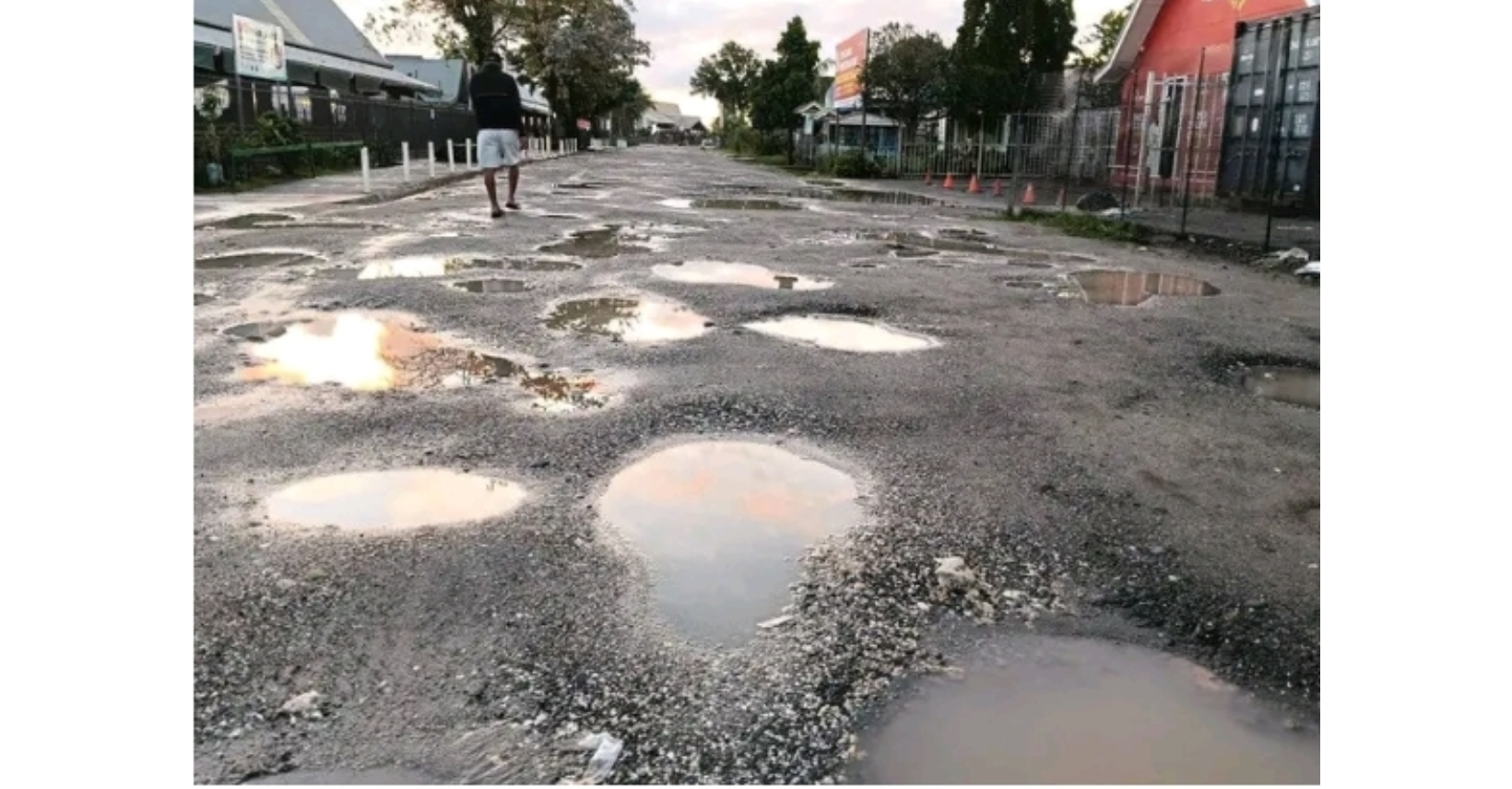
Rehabilitating just one kilometre of road at the Western Provincial capital of Gizo will cost around SBD 2.8 million.
The Western Provincial Government (WPG) revealed this in response to public concerns over the high cost and slow progress of road maintenance in Gizo.
In a formal public statement released this week, the provincial administration said the figure reflects Gizo’s unique geographical and logistical challenges, which significantly drives up construction costs compared to other centres such as Honiara or Noro.
According to technical estimates provided by the province, rehabilitating one kilometre of standard road in Gizo – measuring seven metres wide with a 150mm base – costs approximately SBD 2,783,160.
The WPG explained that nearly all construction materials used in Gizo, including aggregates, bitumen and heavy machinery, must be transported by sea. These shipping requirements substantially increase project costs.
“Unlike other urban centres, Gizo does not have easy access to construction materials,” the statement said. “Transportation and mobilisation costs alone create a major price difference.”
The provincial government provided the following cost breakdown for a one-kilometre road section:
Regravelling (base and sub-base): SBD 383,160
Sealing: SBD 1,800,000
Concrete line drainage: SBD 600,000
This brings the total estimated cost to SBD 2,783,160 per kilometre.
Budget constraints
While acknowledging the importance of road maintenance, the WPG said funding limitations remain a major obstacle.
Most of the province’s Fixed Service Grant (FSG) and locally generated revenue is absorbed by the operational costs of essential services, leaving limited funds for major capital works.
For the current financial year, only SBD 1.5 million has been allocated for Gizo road works under the Capital Budget (IEDCR) – an amount insufficient to complete even one fully sealed and drained kilometre of road.
“The province must also respond to development needs from wards across Western Province,” the statement said, adding that it is not feasible to allocate the entire capital budget to a single location.
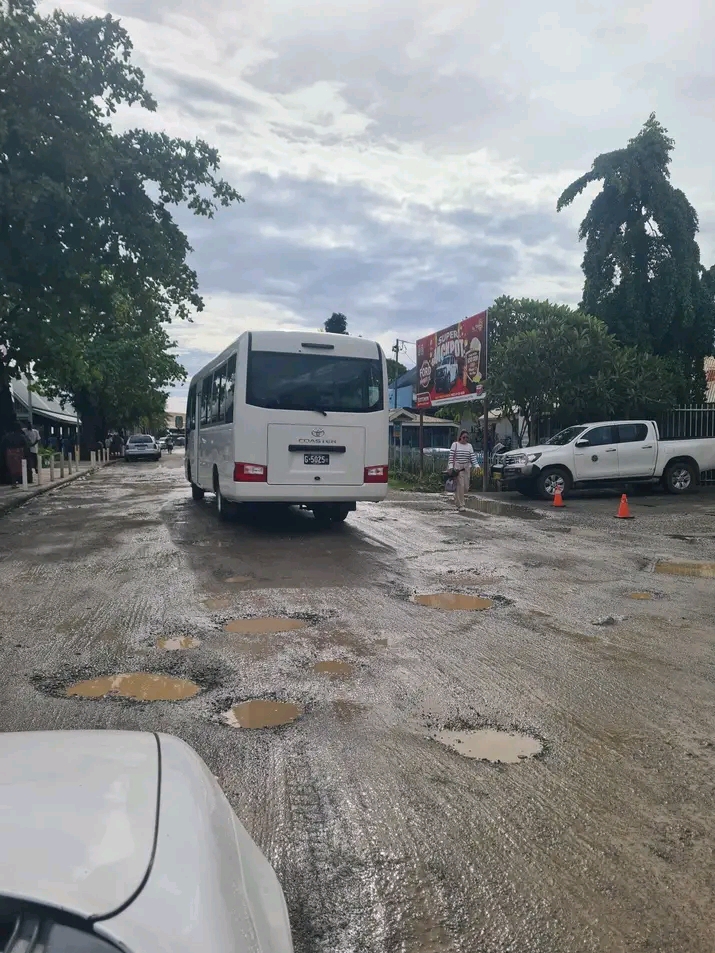
To address the funding gap, the Provincial Works and Planning Divisions are working closely with the Ministry of Infrastructure Development (MID) and the CAUSE Project II. The partnership aims to prioritise the most critical sections of Gizo’s road network while the province continues to seek additional financial support.
The Western Provincial Government concluded by appealing for public patience and understanding.
“We appreciate the public’s patience as we work within these financial realities while continuing efforts to improve road infrastructure for the benefit of all,” the statement said.
By ULUTAH GINA
Solomon Star, Gizo