
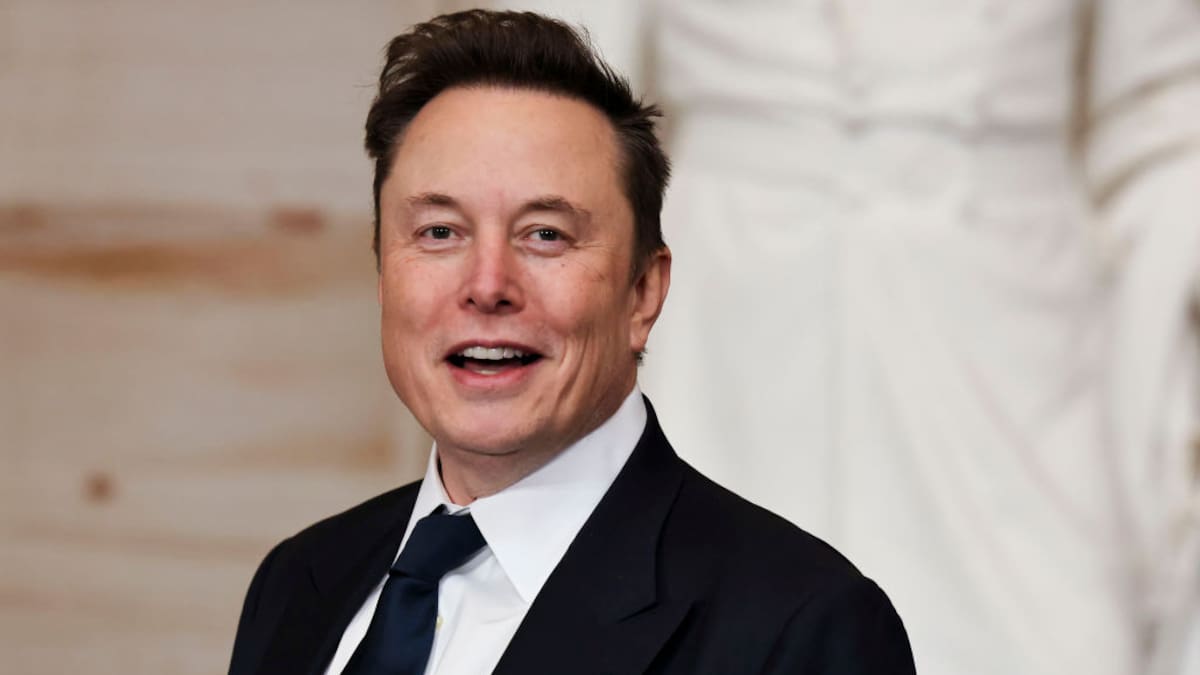
“By directly harnessing near-constant solar power with little operating or maintenance costs, these satellites will transform our ability to scale-compute,” Musk wrote in the announcement.
SpaceX aims to launch one million satellites operating as data centres using its Starship rocket, which the company said will soon achieve launch rates of one flight per hour carrying 200 tonnes of payload.
The announcement did not disclose financial terms of the acquisition or provide a timeline for initial satellite deployments.
According to Bloomberg, the combined company would have a valuation of US$1.25 trillion ($2.08t).
The deal further intertwines Musk’s sprawling business empire, which already includes carmaker Tesla and social media platform X, formerly Twitter.
Musk merged X with xAI after acquiring Twitter in late 2022.
The latter was valued at US$230 billion in a January funding round. It operates the Grok chatbot.
The combined company would pool capital, computing resources and talent as Musk pursues his vision of placing data centres in space for AI computing.
SpaceX is reportedly targeting a mid-June initial public offering that could raise as much as US$50b, according to US media.
The company dominates the space launch market with its reusable rockets and owns the largest satellite constellation through Starlink.
Musk had previously opposed an IPO (initial public offering) for SpaceX because he had not enjoyed the required scrutiny of publicly traded Tesla.
He also argued that the market’s desire for financial returns was at odds with his ultimate goal of settling Mars.
But the company’s latest priorities will require significant investment.
These include developing Starship, the largest rocket ever built, for missions to the moon and Mars.
– Agence France-Presse