
NSW councils are struggling to deliver major infrastructure projects while keeping their finances afloat, as a government audit reveals less than one-quarter of projects costing more than $30 million are delivered on time and within budget.
Local councils spent $6.1 billion to renew and acquire infrastructure, such as roads, bridges, footpaths, water supply and sewerage, in the 2024-25 financial year. From this budget, councils spent $1.5 billion to deliver major capital projects greater than $30 million.
An auditor-general’s report examining the state’s 128 councils released last week shows councils delivered just seven of the 29 major projects worth $30 million or more on time and within budget: Hornsby Park and Rhodes Recreation Centre are two examples.
More than 20 of the projects – or 72 per cent – experienced delays ranging between 24 days and five years. All councils had an approval process for variations and revised budgets were approved.
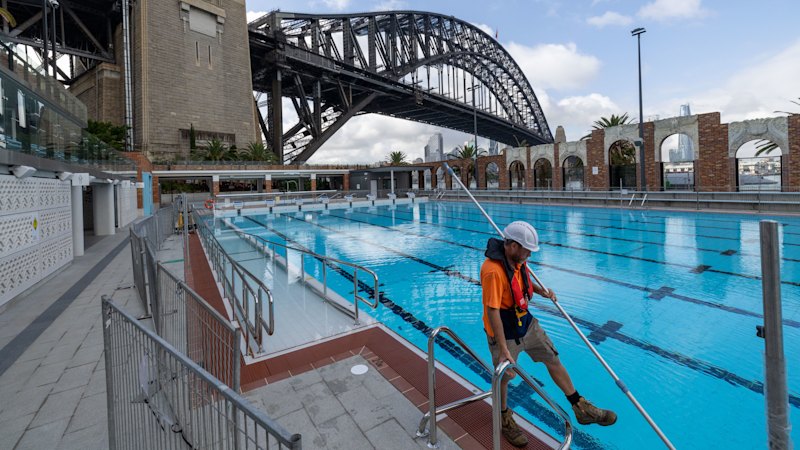
North Sydney Council was highlighted in the report for its delivery of the Olympic-sized pool, slated to open in mid-2026 after almost four years of delays and more than $60 million in cost blowouts.
The proposed $11 pool entry fee for adults to take a dip is comparable to the $10.70 it costs at the nearby aquatic centre in Lane Cove. Councillors will debate the fee structure for the pool and gym at a meeting next week.
Willoughby Leisure Centre, Canterbury Leisure and Aquatic Centre, Regatta Park in Emu Plains and the Inner West Council’s Greenway pedestrian and cycle path were among other examples of costly or delayed projects.
The report also found best-practice guidance for managing these projects was outdated and inadequate, and that some did not cover the full project life cycle.
“The need to better address the challenges associated with capital expenditure within the local government sector is recognised by the Office of Local Government, and a review and revision of the framework has commenced,” Department of Planning, Housing and Infrastructure secretary Kiersten Fishburn wrote in a letter to the auditor-general.
Rates are the most substantial source of a council’s revenue, but the report found councils were becoming highly dependent on grant funding, most of which is tied to delivering capital projects. The unpredictable nature of grant funding adds complexity to the development of long-term plans for infrastructure.
Councils are also grappling with the issue of insufficient cash. Two councils, Bathurst Regional Council and the Upper Hunter Shire Council, spent restricted cash in breach of the Local Government Act.
Seventeen councils made operating losses in 2024-25, up from five in the previous year, highlighting financial sustainability risks.
Auditors recommended that by mid-2027, the Department of Planning, Housing and Infrastructure should have implemented updated guidelines on major capital projects.
This includes plans to be scaled to project size and complexity, council size, and location.
Another recommendation pushes for more robust monitoring and contract management to ensure councils get “what was promised, when it was promised, at the agreed price”, focusing on technical specifications, scheduled milestones, payment processing and variations.
The Morning Edition newsletter is our guide to the day’s most important and interesting stories, analysis and insights. Sign up here.