

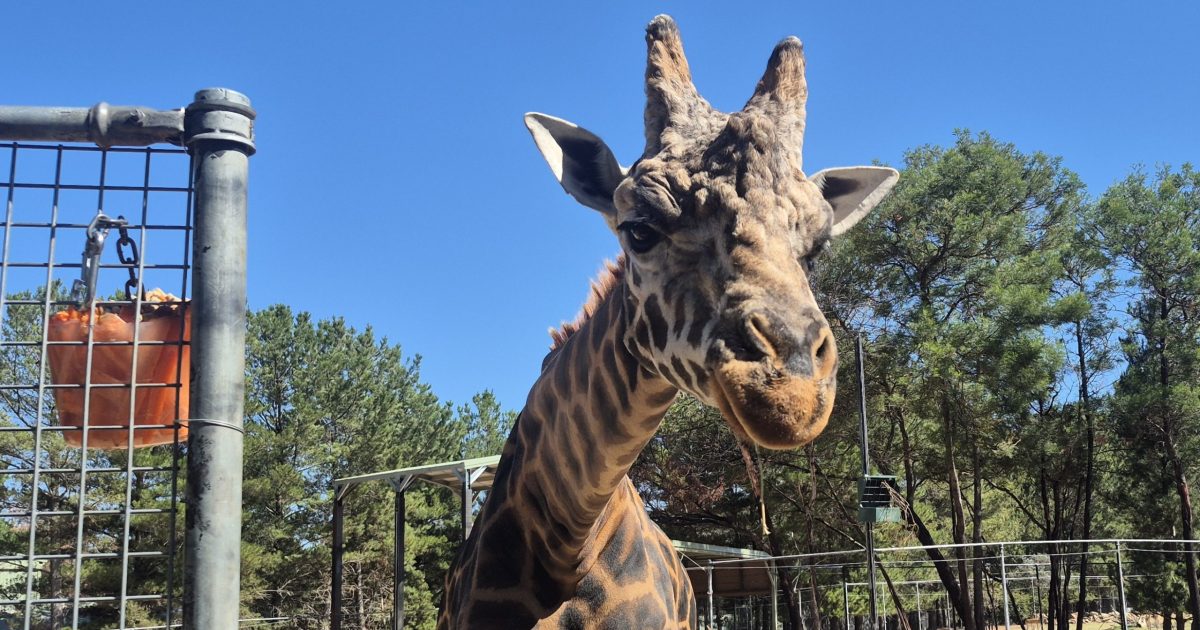
Shaba the giraffe was more than happy to trundle away from the shade for some frozen carrots. Photo: Region.
In case you haven’t noticed, it’s hot. And while there’s plenty of advice out there to help us humans (and our pets) stay comfy, keeping a two-tonne rhino or five-metre-tall giraffe cool is a whole different story.
So when the opportunity arose for Region to go behind the scenes and see what Canberra’s most dedicated zookeepers do when temps hit 40-plus degrees, we jumped at the chance.
The sun already had some bite to it when we arrived mid-morning. Our first stop was Solo, one of seven cheetahs at the zoo.
At eight years old, Solo is in his prime. He was quite interested in our approach, rolling awake from his morning nap to greet us.
Keeper Lewis Webb rewarded Solo’s attention with a special ‘bloodsicle’ – an icy mix of cat milk and animal blood designed to cool the carnivore down while promoting natural sniffing, licking, and chewing behaviours.
“Most of our savannah animals are very well adapted to hot weather,” Lewis said.
“But it’s still important to make sure they have access to plenty of shade, fresh water, misters, and different textures to lie on that disperse heat.
“We would typically check up on our animals four or five times a day. In extreme temperatures like this week, we’re up here every couple of hours making sure they’re relaxed and comfortable.”
A short walk along shady pathways brought us to the Eland enclosure, home to Mbali and Mkhulu. Their colourful ice blocks didn’t last long, though one did roll down the side of the enclosure (Mkhulu was not impressed).
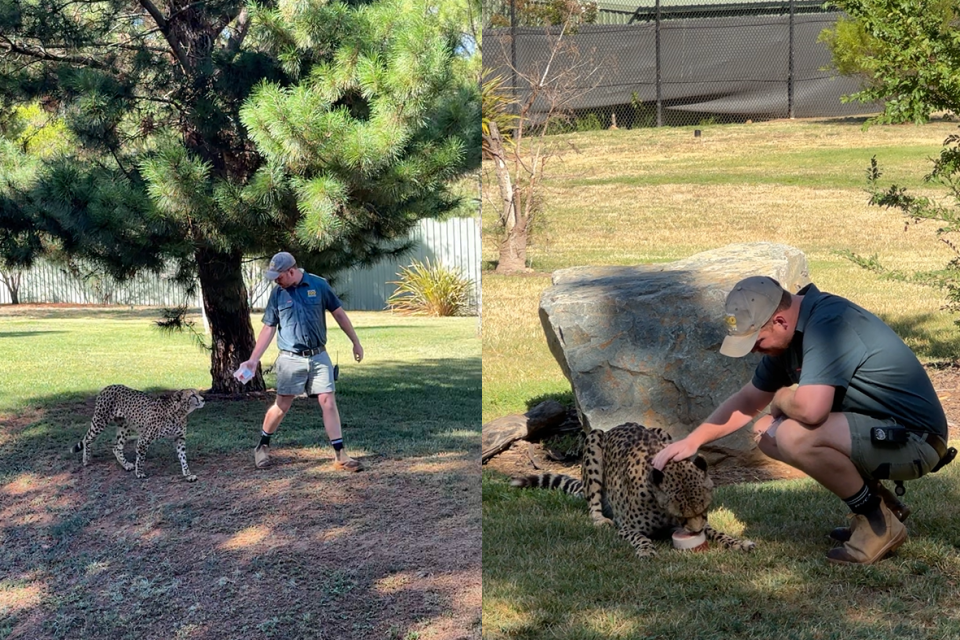
Solo is a fan favourite at the zoo and regularly participates in Meet A Cheetah encounters. Photos: Region.
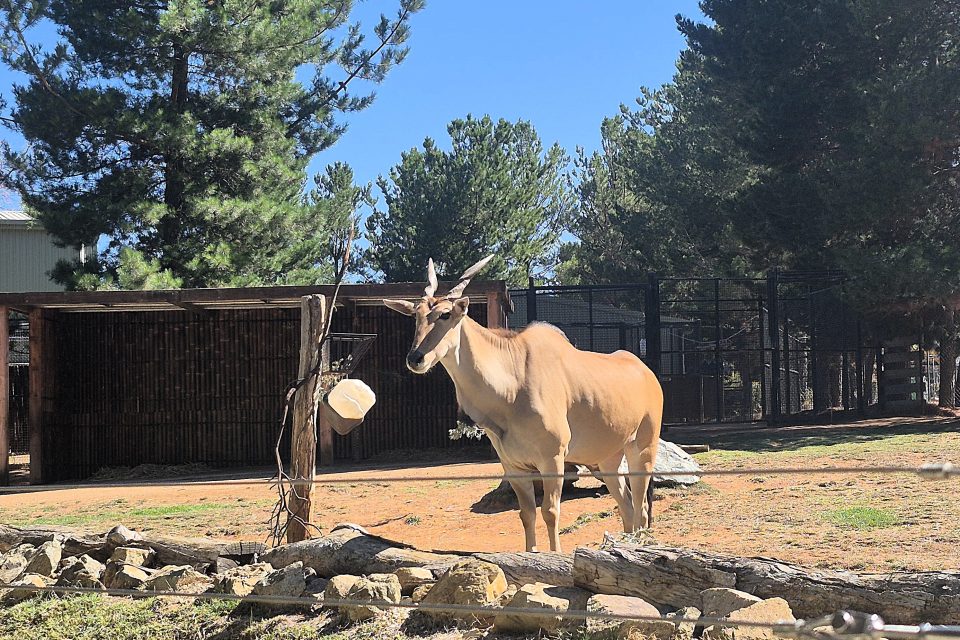
Mkhulu, the Eland, waited patiently for more icy treats to be thrown out.
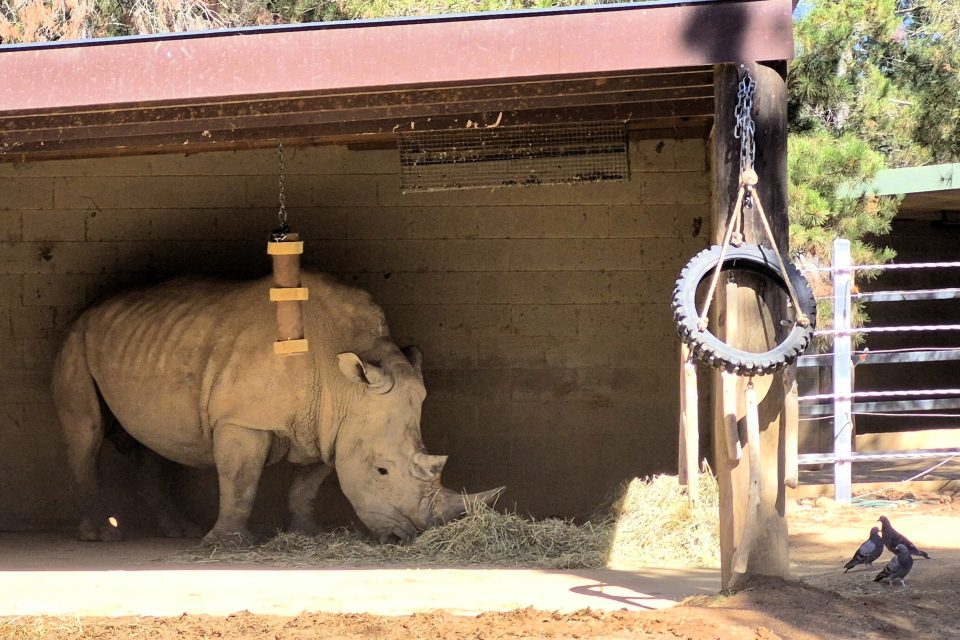
Eco wasn’t too fussed on us – he decided to hang out in the shade instead.
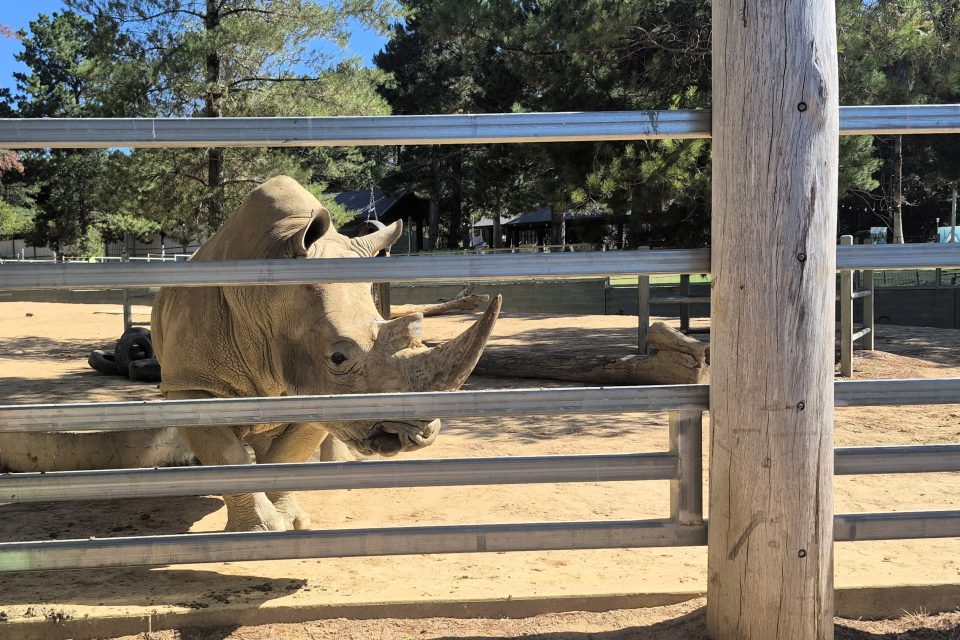
Luckily, Ubuntu was eager for some muddy pats from keeper Phoebe and a few brave journalists.
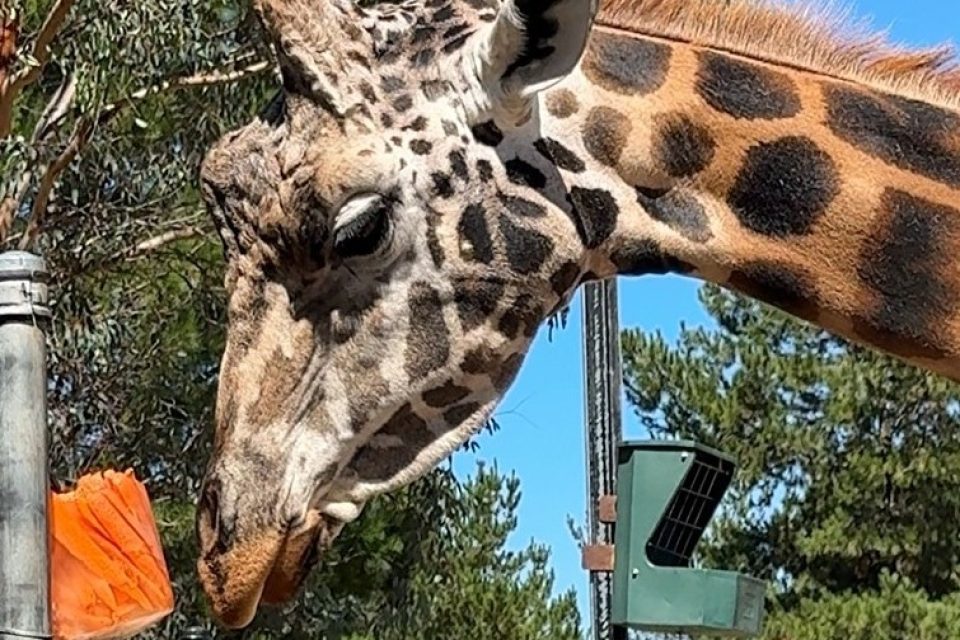
15-year-old Shaba came over quite happily, despite giving us his iconic ‘side-eye’.
Third on the tour list were Eco and Ubuntu, the zoo’s male Southern White Rhinos. While both have mud wallows in their enclosures, getting cool mud smoothed on them by hand offers a chance for social enrichment and bonding with keepers.
It was also a great experience for our group to get hands-on. The mud was a smooth, watery clay mix, and as we took turns rubbing it all over Ubuntu’s shoulders, he closed his eyes and leaned into our hands for more.
“Rhinoceros skin is really thick – up to five centimetres – but it’s surprisingly sensitive and can still burn,” wildlife manager Sophie Dentrinos said.
“Mud acts as a natural sunscreen and moisturiser that also keeps flies and other heat-loving insects at bay.”
Finally, we sat and spent some time with Shaba the giraffe.
This 15-year-old bull is large and in charge, maybe even a little demanding, but not unfriendly. Though his keeper offered up a huge block of frozen carrots topped off with specialty pellets, Shaba seemed far more interested in eyeing off the cameras.
Canberra’s National Zoo might look a little different during a heatwave, with some animals retired to climate-controlled dens and off-display areas, but it’s still worth a visit.
If you’re lucky, you might even spot the dingoes sunbaking, Tassie devils digging in shaved ice for chunks of meat, or water-loving species such as sun bears and tigers enjoying a shower under the hose.
And yes, Shaba will be around – just be ready for that side-eye.
You can see Solo, Mkhulu, Ubuntu, Shaba, and other iconic animals in person at the National Zoo and Aquarium Canberra. The zoo is open from 9.30 am until 5 pm every day except Christmas Day, at 999 Lady Denman Drive, Yarralumla.