

You have reached your maximum number of saved items.
Remove items from your saved list to add more.
Save this article for later
Add articles to your saved list and come back to them anytime.
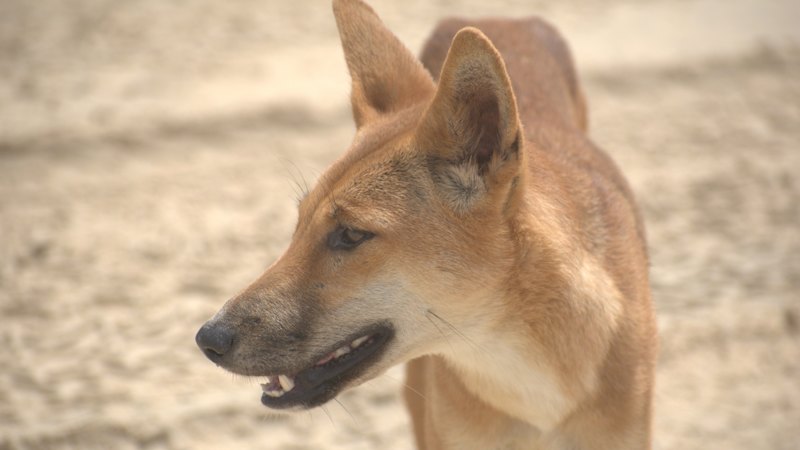
The premier has asked Queenslanders not to “second guess” the state’s snap decision to euthanise a pack of dingoes on K’gari linked to the death of 19-year-old Piper James.
James’ body was found surrounded by 10 dingoes on 75 Mile Beach on January 19, with a preliminary autopsy report revealing she had water in her lungs and had been bitten by the animals before and after she died.
On Tuesday, Premier David Crisafulli defended the Department of Environment and Tourism’s decision to euthanise the entire pack.
“They made a call in the interest of safety on a long weekend to go and deal with that specific pack … I’m happy to hear other views, but I genuinely believe they made the right call,” he said.
“They acted swiftly on it, and I don’t think they can be criticised for that.”
Crisafulli said the state had not sanctioned a “blanket” cull, but targeted the single pack, which the department said rangers had continued monitoring in the past week.
On Sunday, the department said those rangers had observed more aggressive behaviour, and – factoring in the autopsy findings – deemed the 10 animals an “unacceptable public safety risk”.
Island residents and K’gari’s traditional owners, the Indigenous Butchulla people – who refer to the animals as wongari and hold them as sacred – said they had not been consulted beforehand.
Cheryl Bryant, from Save Fraser Island Dingoes, said the state government had favoured tourism over the environment on the heritage-protected sand island.
International animal advocacy group Humane World For Animals condemned the killing of the pack, saying it added to a long history of persecution against K’gari’s dingo population.
But Crisafulli said the department had little choice on the timing of the cull because the coroner’s report was released on a Friday evening ahead of a long weekend, when tourist numbers were likely to surge.
“Imagine what would happen if they had observed that, hadn’t acted, and then there was a [second] tragedy,” Crisafulli said.
He said the state would continue assessments of the dingo population on the 165,000-hectare island, and said Environment Minister Andrew Powell had “put on his agenda” a review of the state’s dingo conservation and risk management strategy.
In 2012, Powell, as environment minister, commissioned an independent report into the state’s strategy on K’gari to improve human safety and dingo welfare.
The report found further awareness was “required to improve understanding about wild dingo behaviour and how human interactions — however mild or even unintended — can modify this behaviour” and recommended greater investment in communication and education programs, and risk interventions.
A review of the strategy, published in 2020, noted ongoing issues between humans and dingoes, but found “managing people remains the greatest challenge”.
“The major challenge is getting people to understand the issues, risks and consequences of their actions, gaining an understanding and appreciation of the cultural value of wongari and demonstrating safe behaviour,” the report stated.
Start the day with a summary of the day’s most important and interesting stories, analysis and insights. Sign up for our Morning Edition newsletter.
You have reached your maximum number of saved items.
Remove items from your saved list to add more.