
With nearly 5 million cases of food poisoning in Australia each year, it pays to heed a few simple guidelines when it comes to cooking and serving food safely.
Summer is peak entertaining season, which means many of us will be left with plenty of tasty leftovers. While making the most of leftovers makes sense financially, we do need to be careful – there are an estimated 4.67 million cases of food poisoning in Australia each year.
Not only is minimising the risk of food-related illness linked to basic food hygiene practices, it is also vital to make sure any leftovers are safe to enjoy several days after they were first prepared, especially in warm weather.
Temperature is key
Whether you are reheating food from the night before, serving a buffet or cooking specific foods such as poultry, ensuring foods are heated to the right temperatures is crucial to ensure any harmful bacteria are destroyed before consumption. Using kitchen tools such as a meat thermometer helps ensure protein-rich foods like chicken are completely cooked before consumption. At a minimum, chicken and meats should be heated to at least 75C, and any hot foods served in a grazing style should be kept at above 60C.
Reheat right
The best recipes from Australia’s leading chefs straight to your inbox.
It is generally recommended that cooked meat be only reheated once, and that it reaches 75C to ensure any bacteria present is destroyed. Most importantly, aim to refrigerate any leftover poultry within two hours of being cooked, rather than leaving it sitting out for several hours. Bacteria are most likely to grow when cooked poultry sits between 4 and 60C.
If food lands on the floor, leave it there
No, there is no such thing as the “five-second rule” when it comes to bacteria, dirt and who knows what else when food lands on the floor. For this reason, any food that lands on the floor should be thrown away.
Have handwashing rules
The best way to reduce the transmission of viruses between people is to focus on thorough handwashing with plenty of soap and water for several minutes. The simple act of asking guests to wash up before sharing meals will help to significantly reduce the spread of bacteria between people dining together.
Keep your food separate
Entertaining inevitably means plenty of food supplies, including fresh salads, seafood, desserts and large servings of meat, all of which need to be kept at the right temperature and separated to avoid cross-contamination. Repackage fresh foods so they are washed and in sealed containers to help minimise the risk of harmful bacteria spreading.
When it comes to food preparation, keeping separate knives and chopping boards will help prevent any cross contamination between raw and fresh foods. Wash boards immediately after use with hot water and detergent.
Defrost right
While parents and grandparents may have thawed food on the bench or in the kitchen sink, this is the worst option when it comes to preventing the growth of harmful bacteria that can make you very sick.
The best way to defrost is in the fridge, in a container that will not drip fluid and contaminate other foods.
If you do need something defrosted quickly, you can use the microwave but be careful of proteins partially cooking at lower temperatures. Any food defrosted in a microwave should be cooked immediately, and never refrozen unless fully cooked first.
Be careful with “grazing-style” food
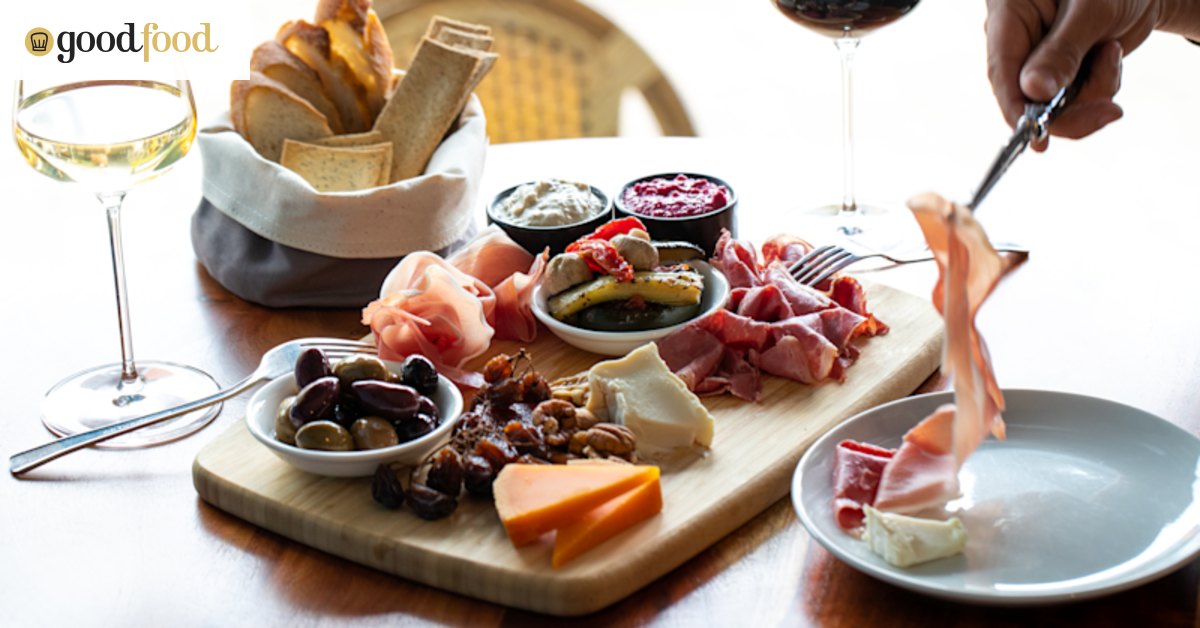
Platter-style dining is increasingly popular, with everything from dips to cheese to cold meats to desserts being served buffet-style.
Leaving food unrefrigerated for long periods of time, especially foods made using raw eggs like pavlovas, or cheese, processed meats and seafood, makes them susceptible to undesirable pathogenic bacteria growth, which can significantly increase the chance of food-borne illnesses.
Even worse, is then keeping these foods and reusing them over the following days. Once fresh foods have been left out for more than two hours, they need to be eaten immediately or thrown away. Instead of offering excess fresh food all at once, serve smaller portions and top up as needed.
Keep an eye on the days
Holidays mean that the days can morph together but as a general rule of thumb, leftovers need to be consumed within three to four days, or even as few as one to two in the case of fresh foods like meat, seafood, and eggs. In saying that, if you go to enjoy leftovers and find them smelling less than fresh, it’s always best to bin them rather than take the risk.
Foods to always ditch rather than keep
Most foods can be enjoyed as leftovers as long as they are prepared and reheated correctly, with the exception of raw eggs and uncooked seafood. You also need to be careful with rice and potatoes, which, if left at room temperature have a higher risk of developing harmful microorganisms. There can also be some concern about reheating vegetables including beetroot and leafy greens like spinach, which naturally contain nitrates. Reheating these molecules can result in the formation of cancer-causing chemicals. For this reason, these vegetables are best enjoyed fresh rather than as leftovers.
 Susie Burrell is an accredited practising dietitian and nutritionist.