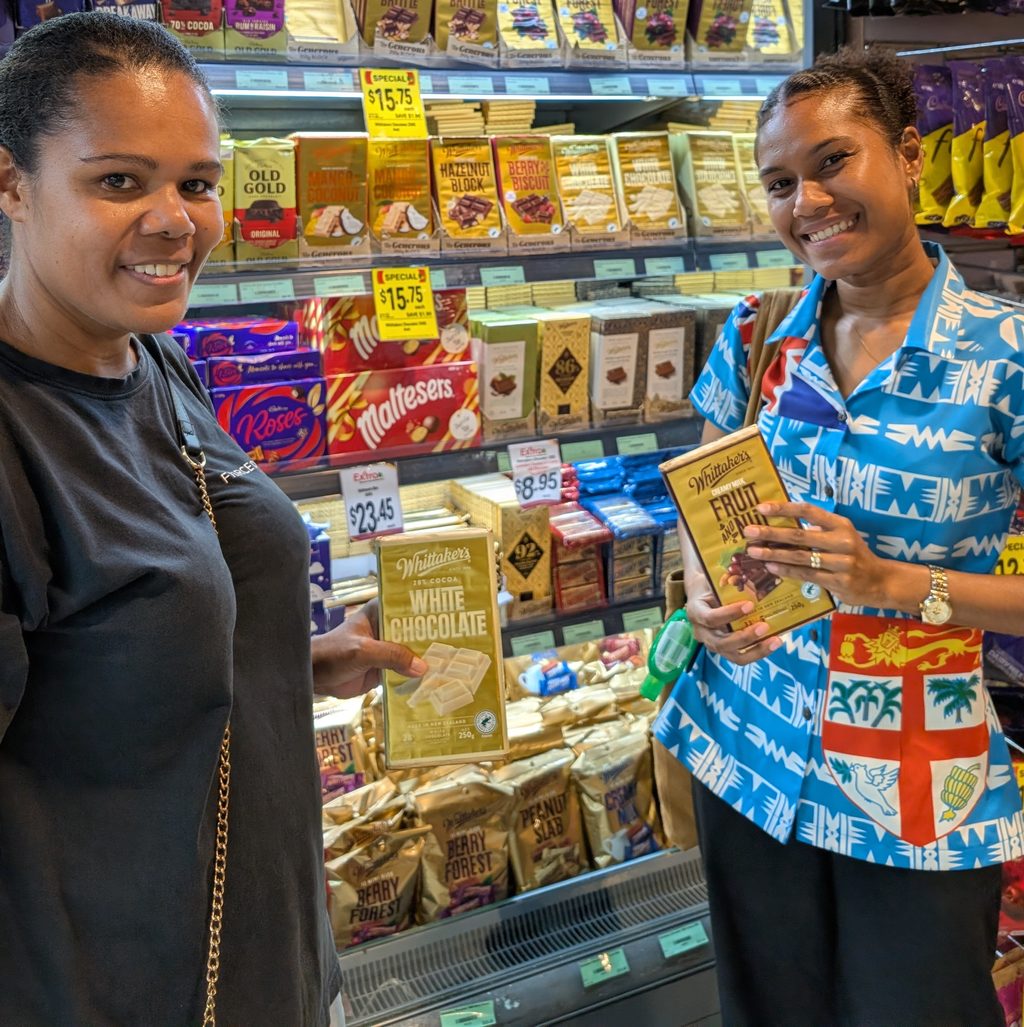


Ready to kick-start your New Year’s resolutions?
If your Christmas break is over and you’re back to your usual routine, the time might be just right for you to start thinking about the best ways to finally achieve your resolution to become healthier in 2026.
And while the task might seem overwhelming, you should keep in mind that adopting a healthy lifestyle doesn’t happen overnight.
It’s a process that starts with a series of small steps in the right direction and you should focus on each step separately, rather than on the overall objective.
The ultimate goal of becoming healthy is very broad, but the road to get there is actually much easier than you might think. It’s made of a series of small, simple actions that help you progressively make your lifestyle a tiny bit healthier each day.
It’s up to you which actions you want to start with, but I’d suggest that you pick the ones you feel you can achieve more easily — early results will boost your motivation!
Afterwards, you should keep introducing the next actions one by one and choose a pace you’re comfortable with and you believe you can maintain.
You’ll find here a list of 10 actions that will help you break down your New Year’s resolution, make it more achievable and, even better, more sustainable in the long run;;
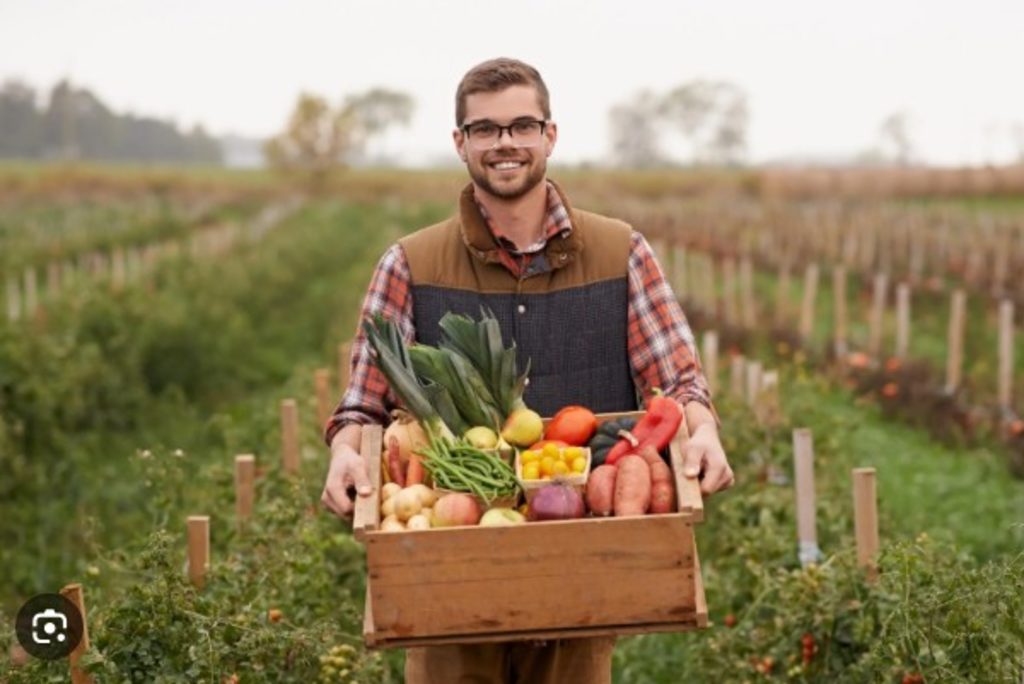
1) Eat more fruits and vegetables;
The goal should be to consistently meet the minimum recommended intake of 5 daily serves.
2) Eat more whole grains and starchy crops (instead of refined grains);
Whole grains and starchy crops include for example: brown rice, rolled oats, wholemeal pasta, bread or roti, barley, quinoa, kumala, cassava and dalo. Refined grains like white rice or white flour should be occasional instead.
3) Eat a handful of nuts or seeds daily… but make sure they’re not fried or salted!;
4) Drink at least 1.5l of water daily (even more on a hot day);
5) Stop or considerably reduce your consumption of fizzy drinks;
6) Exercise at least 30 minutes per day;
You can choose the activity you prefer, from walking at a brisk pace to joining a boot camp program or playing tennis – any type of exercise will make a difference.
7) Reduce your alcohol consumption;
Recent updates to health guidelines highlight a direct correlation between the amount of alcoholic drinks consumed and NCDs risk (including the risk of as much as seven different types of cancer).
So, how much should you drink? This decision is completely up to you, but keep in mind that no amount is considered safe, so the lower the consumption the better for you. If you’re a usual drinker, no more than five weekly drinks might be a good starting point.
8) Sleep at least seven hours per night;
It’s recommended to sleep between seven and nine hours each night.
9) Reduce your consumption of fatty foods; and
The target should be to use no more than one-to-two tsps. of oil (or other fat) per person per meal, avoid fried foods and store-bought ready meals as much as possible.
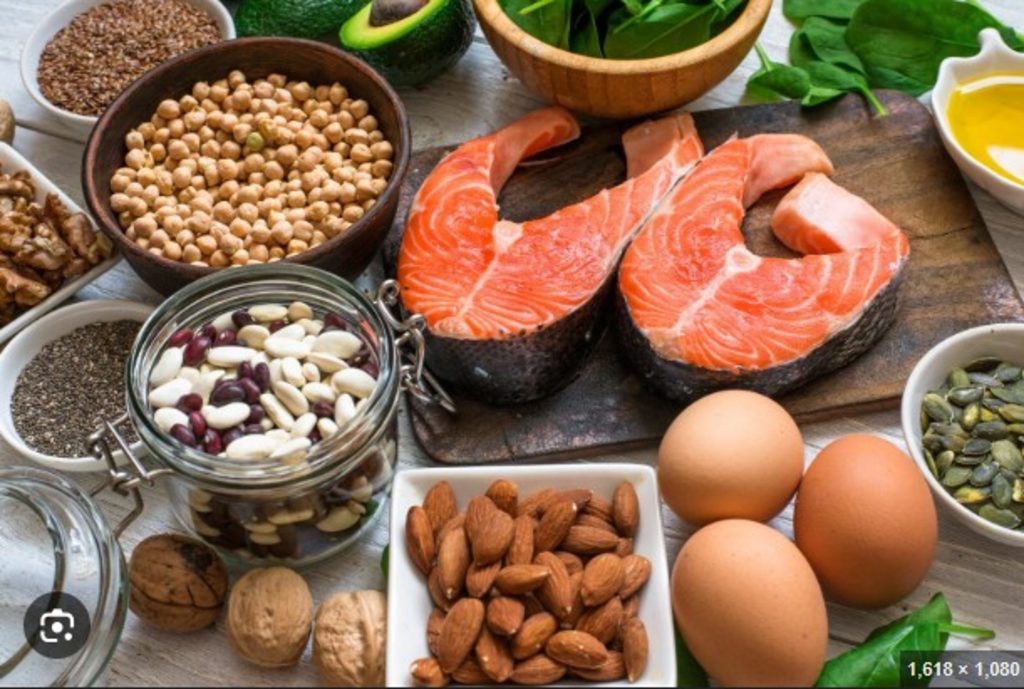
10) Eat more plant-based protein
Good, nutritious sources of high-protein foods of plant origin include lentils, dhal, beans, chickpeas, blue peas, tofu and soy milk.
You should rely on those foods as much as possible as good protein sources as they’re also low-fat, but high in fibre, vitamins and minerals (such as iron, zinc and calcium).
Eat more fruits and vegetables. Picture: GOOGLE

Reduce your alcohol consumption. Picture: GOOGLE
Eat more plant-based protein. Picture: NATURE’SPATH
Reduce your consumption of fatty foods. Picture: GOOGLE