

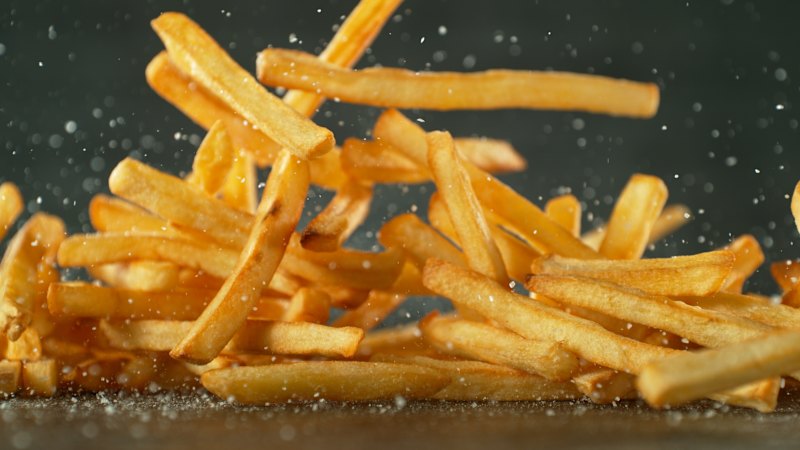
One of life’s great joys is fresh sourdough spread with butter and a sprinkle of sea salt. And, apparently beef tallow (melted beef fat) is the secret to perfect French fries.
Aside from being delicious, in the newly released dietary guidelines for Americans, butter and beef tallow are elevated as examples of “healthy fats” and, in an apparent dig at seed oils, “real foods”.
There is no denying they are real foods, but “healthy fats”. Really?
A beefy issue
Proponents prefer beef tallow and butter because they are “natural” fats which don’t require chemical processing like seed oils do.
Beef tallow is heat-stable, anti-inflammatory and packed with soluble vitamins, they say. “It’s ancestral wisdom in a jar” according to one social media personality, who goes on to say it contains no “toxic byproducts… it is just clean, lasting energy”.
Sounds good.
Beef tallow is also 55 per cent saturated fat.
After the 1950s, when a diet high in saturated fats was first linked with heart disease, cooking with beef tallow gradually became unfashionable and rates of the condition fell dramatically.
“Other factors may have been involved, but the reduction in beef fat – a major source of fat for previous generations – was almost certainly a factor,” says public health nutritionist Dr Rosemary Stanton.
In the 1990s, fast food chains, such as McDonalds, switched from beef tallow to vegetable oils for their fried foods. Tallow’s comeback occurred as questions arose about the health profile and processing of seed oils.
There were also those challenging the links being made between saturated fat and heart disease.
Previously, studies demonising saturated fat didn’t differentiate between wholefoods containing saturated fat and sources that were highly processed. Saturated fats are found in milk, butter, cheese, beef, lamb, pork, poultry, palm oil, and coconut oil as well as in cakes, biscuits, pastries, fried foods and processed meats.
Yet research methods have advanced, and even when it comes from natural sources, there is “ample evidence” to suggest that high quantities of saturated fat increase the risk of adverse health outcomes, says Dr Elena George, an advanced accredited practicing dietitian at Deakin University.
“This is even more of a concern in people with chronic diseases like cardiovascular disease,” George says.
Plus, as Stanton points out, claims that beef tallow contains stearic acid, a saturated fatty acid that has less effect on LDL cholesterol levels, ignore the fact that the main fatty acid is palmitic, which has the greatest effect on LDL cholesterol apart from trans fatty acids.
A limit of 10 per cent of energy from saturated fat was introduced in the first US dietary guidelines in 1980 and remains in place even in the newly released guidelines. The Australian guidelines recommend the same limit.
If the average adult needs about 8700 kilojoules a day, then that limit of saturated fat is found in about 50 grams or three-and-a-half tablespoons of butter or tallow, about 100 grams of cheese, a litre of full fat milk, or a 500 gram untrimmed rib-eye steak.
Butter up – just a little
Butter has slightly more saturated fat than beef fat – about 57 per cent – and raises LDL cholesterol more than cheese despite having the same saturated fat content. A 2025 study following people over 33 years found that substituting butter with plant-based oils may confer substantial benefits for preventing premature deaths.
On the flip side, butter also contains vitamin A, D and E.
“I support consuming butter (in small quantities) over margarine, but promoting it doesn’t make nutritional sense,” says Stanton.
Genetics play a role, as does our overall diet quality, in how much saturated fat we can get away with.
“There are genuinely healthy fat alternatives available like extra virgin olive oil, avocado and oily fish like salmon and tuna,” says George.
Associate Professor Evangeline Mantzioris from the School of Allied Health and Human Performance at the University of Adelaide agrees: “I recommend using plant-based oils such as olive oil, avocado and macadamia oil as they will also provide other important phytonutrients including antioxidants.”
Still, if you want a little butter on your bread or your French fries cooked in beef tallow, that’s up to you. Just remember that French fries (or anything else deep-fried) in beef tallow are no healthier than French fries (or anything else deep-fried) cooked in seed oil.
So what’s the verdict?
If we stay within the limits of the guidelines, can we call them ‘healthy fats’?
No, says Jemma O’Hanlon, dietitian and CEO at Foodwatch.
“Butter and beef tallow are unhealthy fats, full stop,” she says.
“We know from strong science that too much saturated fat increases our risk of heart disease. It’s very challenging when global political leaders [such as RFK] bring their personal agendas to the table. We need to always go back to the science, and leave personal opinions at the door.”
Make the most of your health, relationships, fitness and nutrition with our Live Well newsletter. Get it in your inbox every Monday.
 Sarah Berry is a lifestyle and health writer at The Sydney Morning Herald and The Age.Connect via Twitter or email.