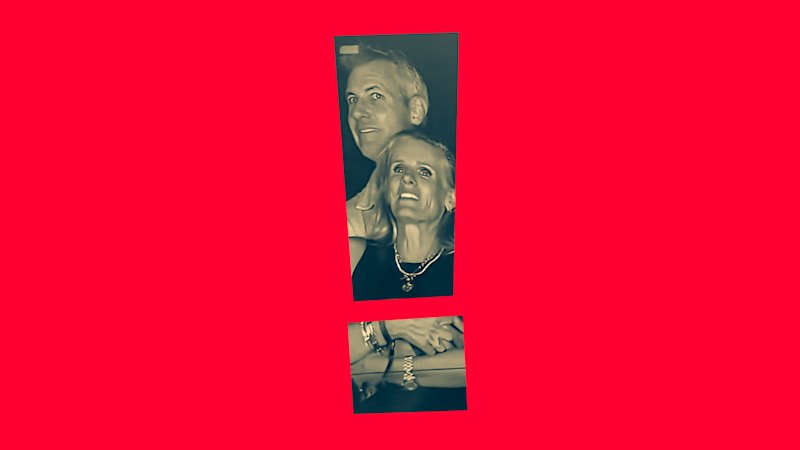


Brooklyn Peltz Beckham dropped a bombshell on social media on Tuesday, as he spoke about his estrangement from his family and the events leading up to the feud, including allegations that his parents tried to drive a wedge between him and his wife, have utilised the media to attack him and have attempted to exert control over financial matters – such as attempting to get him to sign over rights to his name.
Brooklyn alleged that his mother hijacked his first dance with his wife at their wedding resulting in Nicola leaving the venue in tears, placing “countless lies” in the media about him, refusing to allow his wife to attend his father’s birthday, and exerting pressure on him to get him to sign away rights to his own name.
While the Beckham family feud is distinct by nature of the immense media attention, the wealth involved, and the possible reputational losses, estrangement is by no means unique to famous or wealthy families. Brooklyn has an advantage with his estrangement due to the wealth he has access to – many people are forced into contact with families by dint of financial need. However, people of entirely average incomes will make the same choice as Brooklyn daily, albeit silently.
Difficulties with managing family relationships – often with parents – and subsequent decisions to reduce contact or become estranged completely are common in my therapy rooms, especially for clients who have endured trauma and abuse earlier in life. Our conception of trauma has shifted and we now acknowledge that trauma is not simply the presence of physical or sexual violence, but can involve absences, such as the absence of a caring relationship or safety, or repeated moments of less visible harm, such as repeated emotional invalidation, or control.
Estrangements typically happen when a child or family member has experienced such harms repeatedly, and in my clinical experience, are often a last resort and reflective of both anger and deep hurt. Most often, adult children have tried to repair relationships with their family members and have made repeated attempts to change harmful behaviours, but have been met with dismissal, blame, or further abuse, compounding earlier hurt.
For many, estrangement feels like the only way they can regain a sense of power in a situation which renders them emotionally powerless. For others, estrangement will be essential so they can remain safe and can learn to engage with the world outside the role of a child.
As with the Beckhams, the catalyst for estrangement is sometimes the introduction of another party to the dynamic – usually a new spouse or partner. A significant stimulus for the split in the Beckham family appears to have been Brooklyn’s relationship with his wife, and his family’s attempts to stymie the relationship. Closed systems like enmeshed families can sometimes perceive new members as highly threatening to the status quo and may attempt to close ranks against this perceived intruder. Deeper worries such as fears of loss of a child or difficulties managing changing relationships with less closeness can intrude, resulting in further defensive entrenchment. In other families, a new member will often question things that have typically been accepted without question, perhaps highlighting practices that are odd, coercive or unhealthy. Sometimes difficulties between the new partner and other family members can lead to the split, such as the apparent tension between Nicola Peltz and Victoria Beckham.
Many will be tempted to dismiss this in a misogynistic fashion and pit the two women against each other, but the threads at the heart of this tension are serious and are present in all of our relationships – questions about control, gracefully making space for new people, learning not to self-centre and allowing emotional room for others, respecting relational boundaries, acknowledging a child’s autonomy and agency, acknowledging a parent’s needs for closeness, communicating openly, hearing each other, and adapting to changing family norms. When these tasks cannot be transacted, anger grows and resentments can often spill into protracted feuds and estrangement.
Estrangements can sometimes be repaired, but this task is not for everyone. If there is a clear pattern of harm then the person or people responsible for it must take accountability and make clear steps toward change, involving first a firm commitment to stop any abuse or violence. Usually, harmful behaviours are entrenched and so layered in defensiveness and denial (“I didn’t do that”, “it wasn’t that bad”) that this is impossible. People would often rather be right than do the essential work of examining their own behaviours and actions with clarity and clear sight.
The task for the person who has chosen to be estranged is no easier. This will usually involve allowing the possibility of reparation, speaking calmly and openly, allowing compassion toward those who may have been hurtful, carefully examining the way one interprets actions to ensure resentment and hostility does not override, and holding firm boundaries and accountability.
Dr Ahona Guha is a clinical and forensic psychologist, trauma expert and author.
The Opinion newsletter is a weekly wrap of views that will challenge, champion and inform your own. Sign up here.
 Dr Ahona Guha is a clinical and forensic psychologist, trauma expert and author based in Melbourne.