

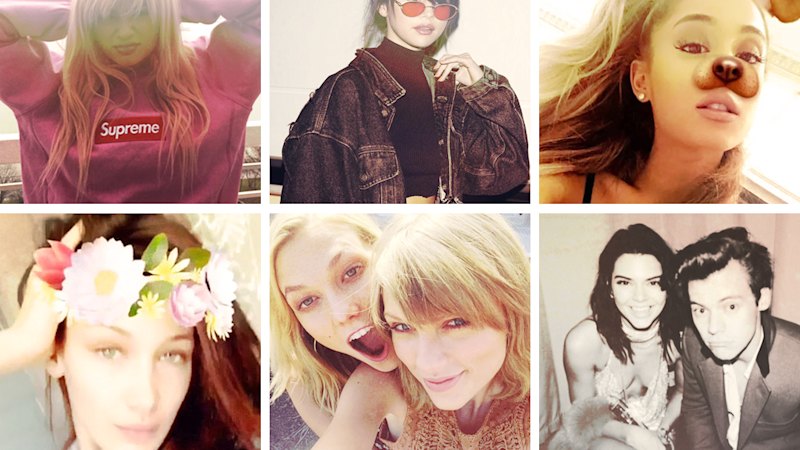
It was a time before AI slop ruled our social media feeds, before a global pandemic turned the world inwards and before Twitter became a vanity project for Elon Musk.
Gen Z – the youngest of whom were just four years old in 2016 – are embracing the culture of their Millennial elders, romanticising their youth as a simpler, more optimistic time.
Loading
It makes sense. Millennials came of age in an era of overwhelming hope. Start-up culture was in full swing and it was still possible to survive on a barista wage in a city like Sydney. Fuelled by Obama-era optimism, many felt like real progress was being made when it came to social issues like LGBTQ and reproductive rights, racial justice and body positivity.
Many Gen Z today are understandably pessimistic about the future, faced with a near-impenetrable housing market, growing political polarisation and a dying planet. Many, particularly young women, have given up on love entirely.
Obviously, 2016 was far from perfect. The very nature of nostalgia means we see the past through rose-tinted glasses. Clearly, the forces that led to where we are today had been brewing for some time.
But in periods of deep economic and political uncertainty, it’s understandable we find comfort in the warm glow of our memories. I, for one, will be riding out the end of the world by reviving the Mannequin Challenge, watching Glee and strumming my ukulele.
Make the most of your health, relationships, fitness and nutrition with our Live Well newsletter. Get it in your inbox every Monday.