

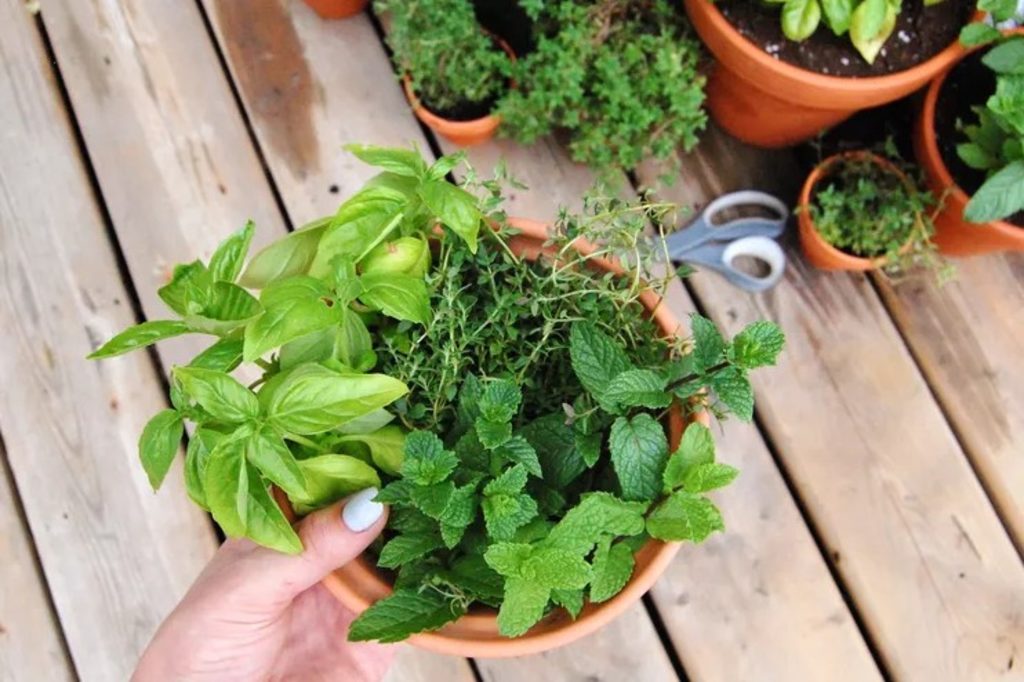
DRYING herbs is a simple and effective way to preserve the flavours of your garden long after the growing season ends.
While fresh herbs are ideal, most gardeners harvest more than they can use at once.
Air drying is one of the easiest, least expensive, and most reliable methods, especially for herbs with low moisture content such as rosemary, thyme, oregano, dill, marjoram, bay, and summer savoury.
This slow process helps retain essential oils, ensuring better flavour compared to faster methods like microwaving or oven drying.
When to harvest herbs
For the best results, harvest herbs before they flower, this is when the flavour is strongest. Cut branches in the mid-morning after the dew has dried but before the heat of the afternoon sun causes wilting.
Never remove more than one-third of the plant at a time unless you plan to replace it.
Steps to air dry herbs;
- Gather clippings — select healthy, disease-free stems;
- Shake branches — gently shake to remove insects and debris;
- Ensure dryness — rinse briefly with cool water and pat dry. Herbs must be completely dry to prevent mold;
- Remove lower leaves — strip leaves from the bottom inch of the stems and discard damaged or yellowed leaves;
- Bundle stems — tie four to six stems together with string or a rubber band, leaving room for airflow;
- Optional paper bag method — place bundles upside down in a paper bag with air holes to speed drying and contain falling leaves; and
- Hang upside down — hang bundles in a warm, dry, well-ventilated area away from direct sunlight.
After one to two weeks, the herbs should be fully dry and crumbly.
Store them in airtight containers, labelled and dated.
Properly dried herbs can retain good flavour for up to one year, letting you enjoy your garden year-round.