
A Treasury spokeswoman confirmed the Department of Conservation (DoC) had refined its cost estimates and those were below the threshold for publication. DoC is responsible for the chateau.
Shan Baththana, director asset management, told the Herald, “the likelihood of the fiscal risk was reconsidered and assessed as low following potential market interest in, and the minister’s instructions to explore completing a request for proposal for, the chateau”.
Officials are set to advise Conservation Minister Tama Potaka early next year on a design for a request for proposal (RFP) system to pursue leasing and operating the neo-Georgian building.
This follows an initial test of the market that wrapped up earlier this year.
In 2024, DoC commissioned commercial real estate services firm CBRE to conduct an expression of interest process in seeking a new lessee. This was suspended for a period but later recommenced.
CBRE approached 20 “qualified potential market participants” and of those 12 responded.
Seven of the interested parties were interviewed to obtain market feedback on their level of interest in the Chateau Tongariro.
“These interviews were called market sounding sessions where CBRE met with the participants, presented information on the chateau and asked the participants to answer various questions,” Baththana said.
The Government’s planned relaxation of earthquake strengthening rules may help to reduce the cost of restoring the building, but the Treasury and DoC said this was not a factor in revising the cost estimate.
The Treasury spokeswoman said: “The updated assessment of costs is unrelated to the potential changes to the Building Act relating to seismic strengthening and any cost savings as a result of these changes are unknown at this stage. The Treasury consulted with the Department of Conservation in making the determination to expire this risk.”
Baththana said DoC “cannot disclose any cost estimates for repairing the chateau while we are dealing with the ongoing end of lease matters with the previous tenant KAH”.
“High-level estimates of costs commissioned by DoC cannot be disclosed at this time as they are being used to inform ongoing advice to the minister on the chateau.”

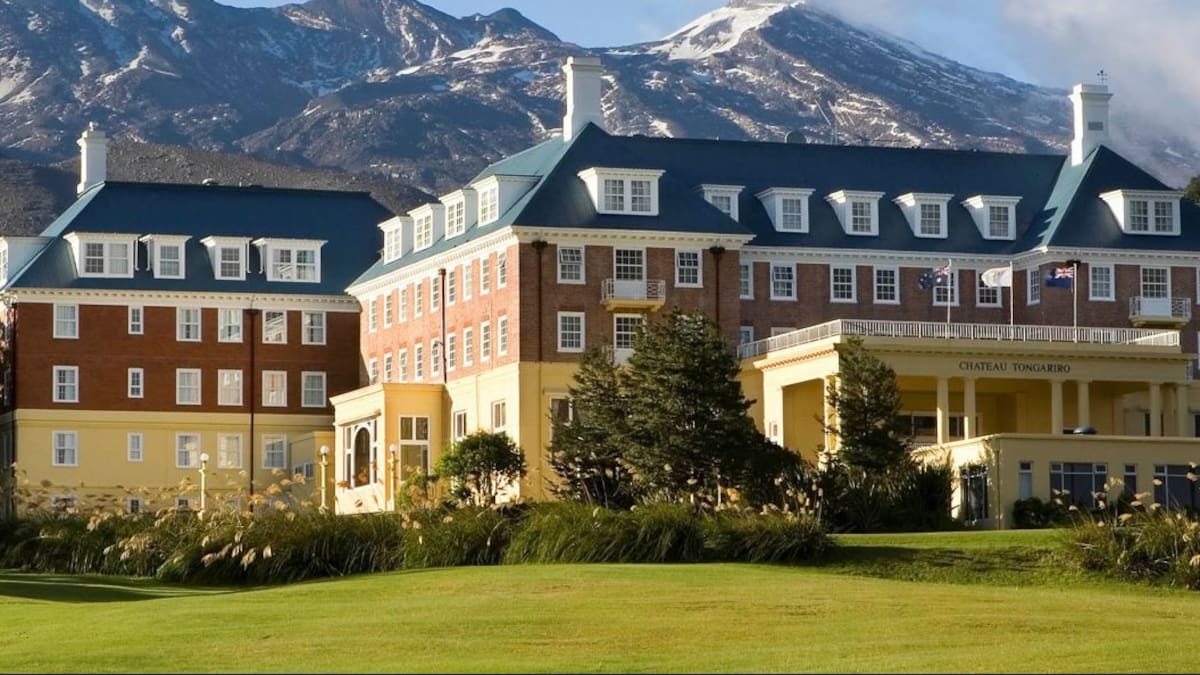
The chateau is one of the country’s best-known buildings, but it has stood empty since former lessee Malaysian-owned KAH New Zealand closed its hotel operation in February 2023.
The Government has been considering all options for the building’s future, including restoration and demolition.
The Herald put questions to Potaka, including whether demolition remains an option. He has not yet responded.
Potaka has instructed DoC officials to engage with iwi on the future of the chateau. The matter may be of considerable sensitivity.
Previously, official documents have indicated that, based on informal discussions, local iwi hope to limit a new lease on the chateau to 10 years or less.
Potential lessees, however, will likely favour a much longer term to enable investment and allow for the recouping of costs.
To date, the only party to publicly express an interest in redeveloping and running the chateau is Whakapapa Holdings.
The chateau is part of Whakapapa village, which serves as a gateway to the Tongariro National Park and the Whakapapa skifield, which Whakapapa Holdings operates.
The chateau is considered a linchpin for local tourism and its continued closure and deterioration is likely a drag on the local ski fields, Whakapapa and Tūroa, which recently passed to new operators after a protracted period of administration and a direct investment of taxpayer funds that topped $50m.
In June, central North Island iwi filed a court action against the Crown over the commercial ski field concessions.
The iwi, Te Patutokotoko, alleges the Crown failed its legal obligations under the Treaty of Waitangi by failing to engage with them and to actively protect their interests in their ancestral maunga (Mt Ruapehu).
The chateau’s future is also complicated by unsettled lease terms between the Crown and KAH.
However, some clarity to the situation came in 2024 when the company’s financial statements disclosed a $4.9m provision for the cost of restoring the chateau and also noted the company no longer expects any payment for the property.
While the Crown owns the land on which the chateau sits, KAH bought the hotel itself and many of its ancillary buildings in 1991.
- Stay ahead with the latest market moves, corporate updates, and economic insights by subscribing to our Business newsletter – your essential weekly round-up of all the business news you need.


