

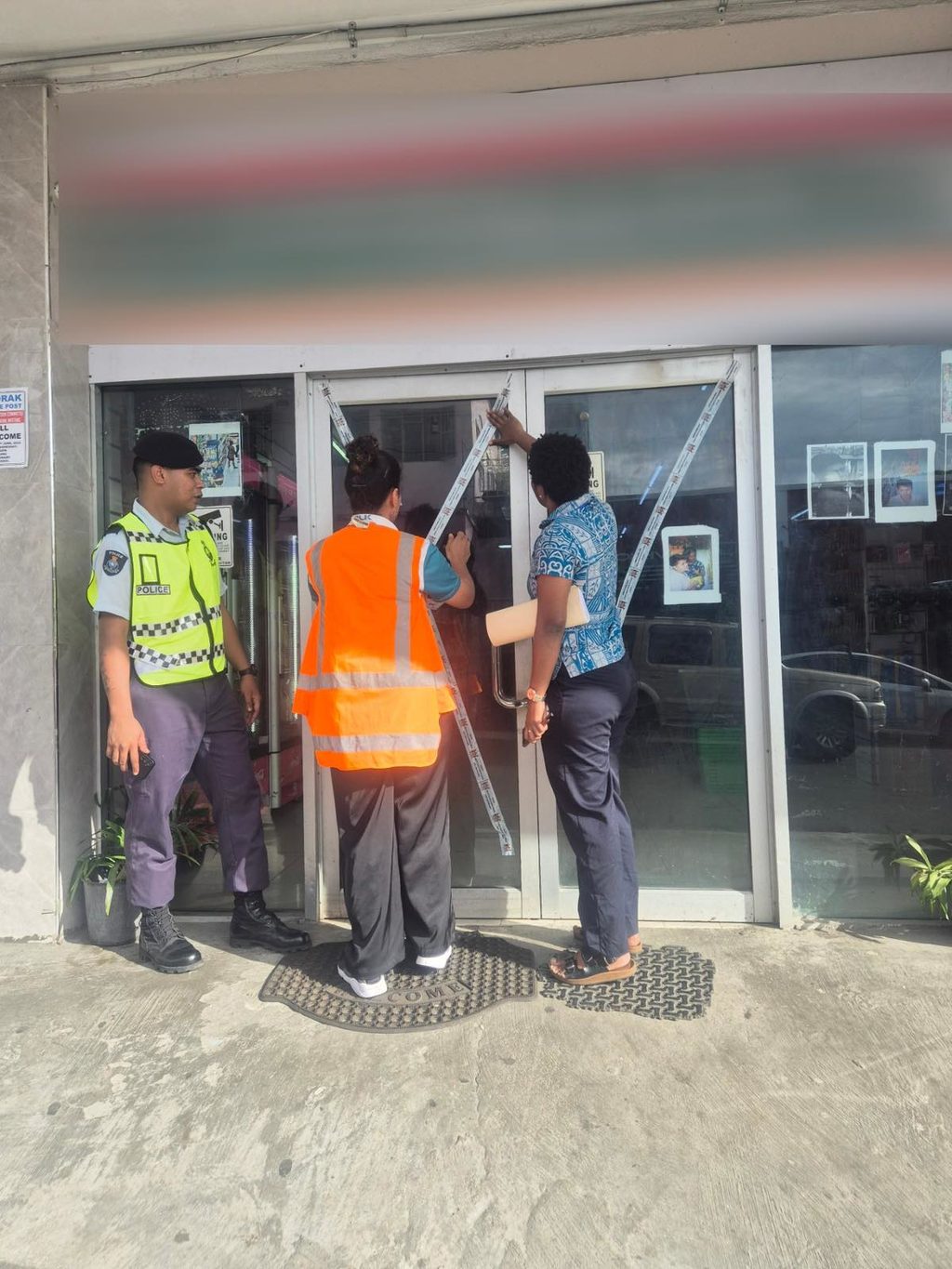
Bula Vinaka shoppers, The Consumer Council has recently conducted spot checks at several restaurants to assess their compliance with food safety and hygiene standards.
These inspections uncovered several concerning issues, including;
•Dirty sinks and stained floor tiles. • Poor food storage practices;
• Unclean food preparation areas. • Uncovered rubbish bins; and
•Improper food handling due to staff not wearing gloves.
The Council says it is now working closely with relevant authorities to ensure immediate corrective actions are taken, noting that every consumer deserves clean, safe, and hygienic food.
Members of the public are encouraged to report any unsafe practices by calling 155. Public reaction to the findings has been strong. Many consumers have welcomed the checks, while others say more needs to be done.
Several social media users have called for inspections to include restaurant washrooms—some pointing out that certain supermarket eateries do not provide proper facilities for customers.
Others want more frequent checks, suggesting quarterly or even weekly inspections to ensure standards do not slip. Commenters have highlighted specific areas, including Nabua, Namaka and parts of Lautoka, where hygiene issues are widespread.
One person claimed some restaurants reused uncovered cooking oil overnight, while many stressed that responsibility lies with both owners and staff. Calls for stronger collaboration with agencies such as the Ministry of Health and the FCCC were also raised to ensure proper enforcement and prosecution where needed.
Overall, the public sentiment is clear: consumers want continued, consistent and transparent inspections to protect food safety practices nationwide.
For many, unsafe food practices are not new. Colleague, Samantha, says she expects a basic level of cleanliness before she feels comfortable dining in any restaurant.
“At least seeing the dining area, counters, floors and the walls clean is vital. These in my opinion are essential in deciding which restaurant to eat in.”
To her, a safe restaurant ensures food is properly covered, utensils are clean, and staff wear appropriate attire such as gloves and hairnets. She believes there must be designated wash basins for both customers and staff.
Signs of an unsafe restaurant to her include handwashing only done in toilets—an issue she has seen firsthand. She has also observed flies trapped in food warmers, an indication that little care is given to food preparation and storage. “These are signs of unhygienic food prep practices or a lack of priority given to food safety,” she says.
She recalls visiting a restaurant that had visible rat droppings, no proper handwashing basin, no soap, and irritating flies.
“There is no shortage of such experiences in Suva,” she adds, noting how difficult it can be to find safe places to eat. Samantha strongly believes a dedicated unit should be responsible for monitoring hygiene standards in restaurants nationwide, consistantly.
“There seems to be an issue with monitoring and enforcing these important standards,” she says.
Another colleague, Serafina, says Grace Road Kitchen sets a good example of what clean and safe dining should look like. “Their kitchens are clean and it’s the same with their tables, chairs, floors, counters and dishes.” Her approach to assessing a restaurant’s hygiene is simple: look at the kitchen.
“If it’s dirty, I don’t eat there. If it’s clean, I order their menu.”
She has even banned her children from visiting a certain eatery in Suva after discovering dirty food warmers and a “filthy” environment.
Shoppers, as the Council continues its inspections, consumers are making it clear that food safety is not negotiable.
Clean kitchens, hygienic staff practices and proper waste management are basic expectations—not optional extras. While authorities work to strengthen monitoring and enforcement, the responsibility ultimately rests with every establishment that serves food to the public.
Safe food is a right, not a privilege, and both regulators and restaurant operators need to work together to ensure that everyone can dine with confidence in Fiji.