
“Perimenopause adds a layer of complexity to parenting that is often underestimated,” says Dr Sarah Farrell, director of Sydney Women’s Wellness. “You need a wide emotional bandwidth at a time when hormonal changes can narrow it significantly. During perimenopause, oestrogen and progesterone fluctuate in unpredictable ways, affecting your mood and stress tolerance, energy and ability to emotionally regulate, making ordinary parenting tasks feel far more demanding.”
Loading
At a time when women need to be the most patient, calm, steady, loving and emotionally regulated version of themselves, perimenopause is depriving mothers of the hormones that help them achieve this. Additionally, Farrell says that setting and enforcing children’s boundaries, a crucial aspect of parenting, can be more difficult due to emotional resilience and reserves running low.
So how can women help themselves when undergoing this hormonal upheaval concurrently with the emotional and physical demands of parenting?
Farrell says the first line of defence should always be lifestyle: stress reduction strategies like mindfulness, breathwork and structured self-care; regular exercise including strength training; and a protein- and fibre-rich diet with limited processed foods, caffeine and alcohol.
Menopausal Hormone Therapy (MHT) can also be an option.“With years of misinformation about MHT, the tide is turning back to empowering women with evidence and choice about their health,” says Farrell.
MHT, along with lifestyle changes, made a really big difference not only in Ivett’s life, but also with her parenting. With the support of her husband, she goes to bed early to prioritise sleep and gets up at 4:20am to ensure she exercises.
“Seeking help and implementing those changes has definitely lightened the load in a really big way for me,” she says.
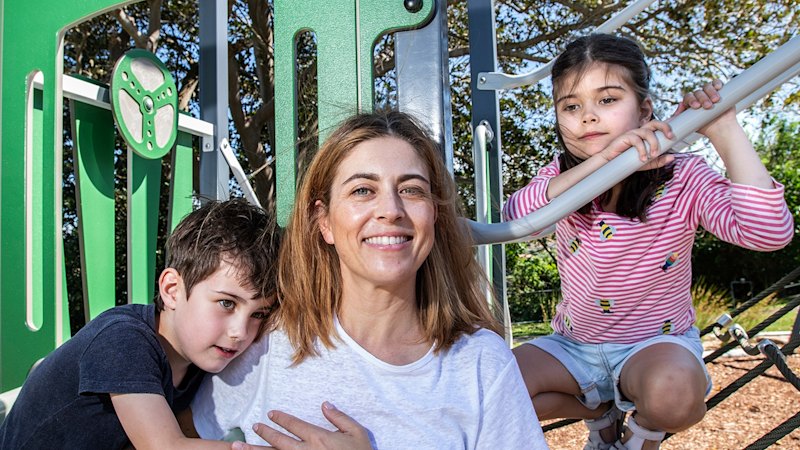
Aislinn Butler started experiencing perimenopausal symptoms such as mood changes, sweating and joint pain in her 30s. She uses Pilates and breaks from parenting daughter Aria to reset her system.Credit: Eddie Jim
For Butler, she has the “blessing” of fortnightly child-free weekends, which she purposefully spends calming her nervous system with Pilates, walks, cold plunges, massage and sauna. Along with self-care, Butler applies practical solutions. To combat brain fog she depends heavily on her diary and reminder notifications, she goes to bed at the same time as her daughter in anticipation of sleep issues, and uses meditation techniques to help with her “shorter fuse”.
Unlike Ivett, Butler has, frustratingly, not yet found relief from her symptoms. As a single mother and business owner, it has been hard for her to find the time and energy to continue trying.
Loading
“I really should go back to the doctor and tell them this [medication or treatment] didn’t work, but you just let it go because life is so busy,” she says. “You just don’t have time for yourself sometimes.”
While not having time for yourself is an issue for any parent, the need to find those moments is crucial when experiencing perimenopause as a mother.
Both Butler and Ivett stress the necessity of talking about and supporting women parenting in perimenopause. Farrell echoes this sentiment. “Partners, children, workplaces and women themselves need to recognise this challenge, because without support, it can lead to loneliness or overwhelm.”
Despite the challenge of all this, Farrell is hopeful.
“I see many women using this stage of life as a prompt to finally check in with themselves,” she says. “Perimenopause can be a turning point where women begin caring for themselves with the same commitment they give to everyone else.”
Make the most of your health, relationships, fitness and nutrition with our Live Well newsletter. Get it in your inbox every Monday.